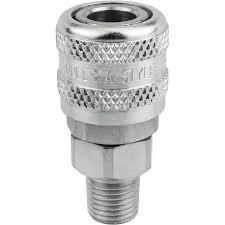
Coupler
In this comprehensive guide, we will explore what a coupler is, its types, applications, advantages, and how to choose the right coupler for your project.
What Is a Coupler?
A coupler is a device designed to join two components together. Depending on the application, it can provide a temporary or permanent connection. Couplers are engineered to ensure proper alignment, stability, and efficient transfer of force, energy, fluids, or signals between connected parts.
The design of a coupler varies according to its purpose. For example:
- Mechanical couplers connect rotating shafts.
- Pipe couplers join plumbing and industrial pipelines.
- Rebar couplers connect reinforcing steel bars in construction.
- Electrical couplers connect cables and circuits.
- Railway couplers link train cars together.
Despite their different forms, all couplers serve the same fundamental purpose: creating a reliable connection between two separate elements.
How Does a Coupler Work?
A coupler works by securely joining two components while allowing the intended transfer of power, movement, fluid, or data. The mechanism depends on the specific type of coupler being used.
For example:
- Shaft couplers transmit rotational motion from one shaft to another.
- Pipe couplers create a leak-proof seal between pipes.
- Rebar couplers transfer structural loads between reinforcing bars.
- Optical couplers transfer light signals between fiber optic systems.
The effectiveness of a coupler depends on proper installation, material quality, and compatibility with the connected components.
Types of Couplers
1. Mechanical Couplers
Mechanical couplers are commonly used to connect rotating shafts in machinery and equipment.
Common Mechanical Coupler Types
Rigid Couplers
- Provide a solid connection between shafts.
- Suitable for precise alignment.
- Common in industrial machinery.
Flexible Couplers
- Accommodate minor shaft misalignment.
- Reduce vibration and shock loads.
- Improve equipment lifespan.
Jaw Couplers
- Use elastomer inserts.
- Absorb vibration effectively.
- Popular in pumps and motors.
Gear Couplers
- Handle high torque applications.
- Suitable for heavy industrial equipment.
2. Pipe Couplers
Pipe couplers are used to connect pipes in plumbing, irrigation, water supply, and industrial systems.
Types of Pipe Couplers
Compression Couplers
- Easy to install.
- Suitable for plumbing repairs.
Threaded Couplers
- Use threaded connections.
- Common in metal piping systems.
Slip Couplers
- Ideal for repairing damaged pipes.
- Frequently used in PVC systems.
Flexible Pipe Couplers
- Allow slight movement and misalignment.
- Useful in underground installations.
3. Rebar Couplers
Rebar couplers are essential in construction projects involving reinforced concrete structures.
Benefits of Rebar Couplers
- Strong connection between reinforcement bars.
- Reduce steel congestion.
- Improve structural integrity.
- Simplify construction processes.
These couplers are widely used in bridges, tunnels, high-rise buildings, and infrastructure projects.
4. Railway Couplers
Railway couplers connect train cars and locomotives.
Key Features
- High load-bearing capacity.
- Reliable connection during movement.
- Enhanced safety and stability.
Modern railway couplers are designed to withstand extreme forces while allowing quick attachment and detachment.
5. Electrical Couplers
Electrical couplers connect cables, circuits, and electronic components.
Applications
- Telecommunications systems.
- Industrial automation.
- Consumer electronics.
- Power distribution networks.
Electrical couplers ensure efficient signal and power transmission while maintaining safety standards.
6. Fiber Optic Couplers
Fiber optic couplers are used in telecommunications and networking systems.
Functions
- Split optical signals.
- Combine light signals.
- Distribute data across networks.
These couplers are essential for modern internet infrastructure and high-speed communication systems.
Materials Used in Coupler Manufacturing
Couplers are manufactured using various materials depending on their intended application.
Steel
Steel couplers are known for:
- High strength
- Durability
- Excellent load-bearing capability
They are commonly used in construction and heavy industrial equipment.
Stainless Steel
Advantages include:
- Corrosion resistance
- Long service life
- Suitable for harsh environments
Frequently used in marine, food processing, and chemical industries.
Brass
Brass couplers offer:
- Good corrosion resistance
- Easy machining
- Reliable sealing performance
Common in plumbing applications.
Aluminum
Aluminum couplers are:
- Lightweight
- Corrosion-resistant
- Easy to install
Often found in automotive and aerospace applications.
Plastic and PVC
Plastic couplers provide:
- Cost-effective solutions
- Chemical resistance
- Easy installation
Widely used in plumbing and irrigation systems.
Advantages of Using Couplers
Improved Efficiency
Couplers facilitate smooth transfer of power, fluids, or signals, improving system efficiency.
Easy Installation
Most modern couplers are designed for quick and simple installation, reducing labor costs and downtime.
Enhanced Reliability
High-quality couplers create secure connections that minimize failures and leaks.
Reduced Maintenance
Properly installed couplers often require minimal maintenance throughout their service life.
Flexibility
Many couplers can accommodate slight misalignments, vibrations, and movement without compromising performance.
Cost Savings
By reducing installation time, maintenance requirements, and replacement costs, couplers offer excellent long-term value.
Common Applications of Couplers
Construction Industry
In construction, couplers are used for:
- Connecting reinforcement bars
- Structural steel assemblies
- Scaffolding systems
Their use improves structural integrity and construction efficiency.
Plumbing Systems
Plumbing professionals use couplers for:
- Water supply lines
- Drainage systems
- Irrigation networks
Pipe couplers provide reliable and leak-proof connections.
Manufacturing
Manufacturing facilities rely on couplers to connect:
- Motors
- Pumps
- Conveyors
- Industrial machinery
Mechanical couplers help maintain smooth production processes.
Automotive Industry
Automotive applications include:
- Drive shafts
- Steering systems
- Transmission assemblies
Couplers contribute to vehicle performance and reliability.
Telecommunications
Telecommunications systems use couplers for:
- Fiber optic networks
- Cable management
- Signal distribution
They are critical for maintaining high-speed communication infrastructure.
Railway Transportation
Railway couplers enable:
- Secure train connections
- Efficient cargo transportation
- Passenger rail operations
Their durability ensures safe operation under demanding conditions.
Factors to Consider When Choosing a Coupler
Selecting the right coupler is essential for achieving optimal performance.
Load Requirements
Determine the maximum load, torque, or pressure the coupler must handle.
Material Compatibility
Choose materials compatible with the operating environment and connected components.
Environmental Conditions
Consider factors such as:
- Temperature
- Humidity
- Corrosive substances
- Outdoor exposure
Alignment Requirements
Some applications require precise alignment, while others benefit from flexible couplers that accommodate movement.
Installation Method
Evaluate whether the coupler should allow:
- Quick installation
- Permanent connection
- Easy maintenance
Industry Standards
Ensure the coupler meets relevant safety and quality standards for the intended application.
Coupler Maintenance Tips
Proper maintenance extends the lifespan of a coupler and improves reliability.
Conduct Regular Inspections
Check for:
- Wear
- Corrosion
- Cracks
- Loose connections
Lubricate When Necessary
Mechanical couplers may require periodic lubrication to reduce friction and wear.
Monitor Alignment
Misalignment can increase stress on couplers and connected equipment.
Replace Damaged Components
Prompt replacement prevents costly system failures and downtime.
Follow Manufacturer Guidelines
Always adhere to installation and maintenance recommendations provided by the manufacturer.
Future Trends in Coupler Technology
As industries continue to evolve, coupler technology is advancing rapidly.
Smart Couplers
Modern couplers may include sensors that monitor:
- Load conditions
- Vibration levels
- Temperature
- Wear patterns
Advanced Materials
Manufacturers are developing couplers using:
- Composite materials
- High-performance alloys
- Corrosion-resistant coatings
Improved Design Efficiency
New designs focus on:
- Faster installation
- Higher durability
- Reduced maintenance
- Enhanced safety
Sustainable Manufacturing
Eco-friendly production methods and recyclable materials are becoming increasingly important in coupler manufacturing.
Why Couplers Are Important
Without couplers, connecting systems efficiently would be difficult and expensive. They provide a practical solution for joining components while maintaining performance, safety, and reliability.
Key reasons for their importance include:
- Simplified system assembly
- Improved structural strength
- Efficient power transmission
- Reliable fluid and signal transfer
- Reduced maintenance costs
- Enhanced operational safety
Their role in modern infrastructure, transportation, communication, and manufacturing cannot be overstated.
Conclusion
A coupler is a vital component used to connect and integrate various systems across numerous industries. From mechanical machinery and plumbing systems to telecommunications networks and construction projects, couplers provide secure, efficient, and dependable connections.
With a wide range of types available—including mechanical couplers, pipe couplers, rebar couplers, railway couplers, electrical couplers, and fiber optic couplers—there is a solution for virtually every application. Choosing the right coupler requires careful consideration of load requirements, materials, environmental conditions, and installation needs.
As technology continues to advance, couplers are becoming smarter, stronger, and more efficient. Their ongoing development ensures they will remain an essential part of modern engineering and industrial systems for years to come.
About the Author