Interior Design Trends
The interior design trends of 2026 focus on creating meaningful spaces with natural materials, smart solutions, flexible layouts, and unique decorative choices. Whether you are renovating your entire home or simply updating one room, these upcoming ideas can help you create a stylish environment that feels fresh and timeless.
In this article, we will explore the biggest interior design trends for 2026 and how you can use them to transform your living spaces.
1. Nature-Inspired Interiors Will Continue to Grow
One of the strongest interior design trends in 2026 is the connection between indoor spaces and nature. People are increasingly looking for homes that feel calm, refreshing, and connected to the outside world.
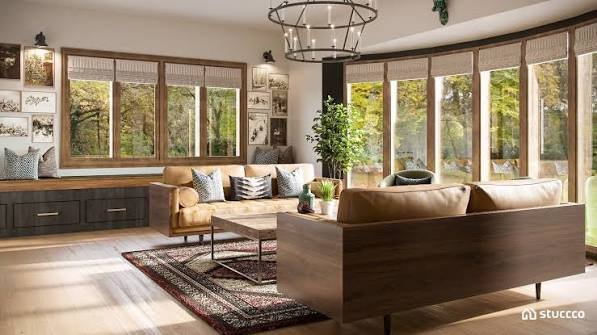
Natural elements such as wood, stone, plants, and organic fabrics will become even more popular. Designers are focusing on creating peaceful environments that reduce stress and improve overall comfort.
Large windows, indoor gardens, natural lighting, and earthy textures will play an important role in modern interiors. Materials like bamboo, reclaimed wood, clay, and natural stone will add warmth and authenticity to homes.
Biophilic design, which brings nature into living spaces, will remain a major influence. Adding indoor plants, green walls, water features, and nature-inspired artwork can make rooms feel more alive and inviting.
2. Warm and Earthy Color Palettes Will Replace Cold Tones
Color trends in 2026 are moving away from overly cool and minimal shades. While neutral colors will remain popular, designers are introducing warmer tones that create a comfortable and welcoming atmosphere.
Popular interior colors for 2026 include:
- Soft terracotta
- Warm beige
- Olive green
- Chocolate brown
- Sand tones
- Deep amber
- Muted blues
These colors create a feeling of relaxation and connection. Instead of using bright and overwhelming colors, homeowners are choosing shades that bring emotional comfort.
Accent walls, painted ceilings, colorful furniture, and decorative accessories will be used to introduce personality into spaces without making them feel crowded.
3. Sustainable Interior Design Becomes a Priority
Sustainability is no longer just a trend—it is becoming a long-term approach to home design. In 2026, eco-friendly interiors will continue to gain popularity as people become more aware of environmental impacts.
Homeowners are choosing furniture made from responsibly sourced materials and investing in high-quality pieces that last longer. Fast-changing designs are being replaced with timeless styles that reduce waste.
Some sustainable interior design ideas include:
- Using recycled materials
- Choosing energy-efficient lighting
- Buying vintage or refurbished furniture
- Selecting natural fabrics
- Installing environmentally friendly flooring
Sustainable design does not mean sacrificing style. Many modern eco-friendly materials offer elegant finishes and unique textures that enhance the beauty of a home.
4. Smart Homes Will Become More Stylish and Integrated
Technology is becoming an important part of interior design, but the focus in 2026 will be on making smart features blend naturally into the home.
Instead of visible gadgets and complicated systems, homeowners will prefer hidden and seamless technology. Smart lighting, automated curtains, voice-controlled devices, and intelligent climate systems will improve convenience while maintaining a clean appearance.
Modern interior design will combine technology with aesthetics. For example, smart lighting systems can adjust brightness and color depending on the time of day, creating different moods for work, relaxation, or entertainment.
Technology will support comfort without taking attention away from the overall design.
5. Multifunctional Spaces for Modern Lifestyles
The way people use their homes has changed significantly. Many homes now need to support working, relaxing, exercising, and entertaining in the same space.
In 2026, flexible and multifunctional rooms will become one of the most practical design trends. Designers are creating spaces that can easily adapt to different needs.
Examples include:
- Home offices that transform into guest rooms
- Living rooms with hidden storage solutions
- Foldable furniture
- Modular sofas
- Convertible dining areas
This trend is especially useful for smaller homes and apartments where every square meter matters.
The goal is to create spaces that are functional without feeling crowded.
6. Curved Furniture and Soft Shapes Gain Popularity
Sharp lines and strict geometric designs are being replaced by softer and more inviting forms. Curved furniture will be a major interior design trend in 2026.
Rounded sofas, circular tables, curved chairs, and arched doorways create a smoother visual flow and make rooms feel more comfortable.
Soft shapes also contribute to a relaxing atmosphere because they appear more natural and less rigid. This trend works well in living rooms, bedrooms, and dining areas.
Combining curved furniture with natural materials and warm colors can create a modern yet cozy interior.
7. Personalized Interiors Over Perfect Showrooms
In the past, many homeowners focused on creating perfectly styled spaces that looked like magazine photos. In 2026, individuality will become more important.
People want homes that tell their stories. Personal collections, handmade items, travel memories, family artwork, and unique furniture pieces will become key design elements.
Interior design will become less about following strict rules and more about expressing personality.
Mixing different styles, such as modern furniture with vintage accessories, will create spaces that feel authentic and meaningful.
A home should represent the people who live there rather than simply follow a popular trend.
8. Textured Materials Add Depth and Character
Texture will play a major role in interior design trends for 2026. Designers are using different materials to create visual interest and make spaces feel richer.
Popular textured materials include:
- Natural wood
- Linen fabrics
- Handmade ceramics
- Stone surfaces
- Woven rugs
- Velvet furniture
- Textured wall finishes
Instead of relying only on color, designers are adding depth through surfaces and materials.
For example, a simple neutral room can become more interesting with a textured wall, woven accessories, or layered fabrics.
9. Vintage and Modern Styles Will Blend Together
Another important trend for 2026 is the combination of old and new design elements. Vintage furniture and traditional details are being mixed with modern layouts and technology.
This approach creates interiors that feel warm, unique, and timeless.
Examples of this style include:
- Antique mirrors with modern lighting
- Classic wooden furniture with contemporary sofas
- Vintage artwork in minimalist rooms
- Traditional patterns combined with modern colors
This trend allows homeowners to reuse existing pieces while creating a fresh and updated look.
10. Wellness-Focused Home Design
Homes in 2026 will increasingly be designed around health and well-being. Interior spaces will focus on creating environments that support relaxation, productivity, and mental comfort.
Wellness-focused design includes:
- Better natural lighting
- Comfortable furniture
- Quiet relaxation areas
- Air-purifying plants
- Meditation corners
- Clutter-free layouts
Bedrooms will become more peaceful with calming colors, soft fabrics, and improved lighting. Bathrooms will transform into spa-like spaces with natural materials and relaxing features.
The idea is to create homes that improve quality of life.
11. Statement Ceilings and Creative Walls
While walls have traditionally received most attention, ceilings are becoming a major design opportunity in 2026.
Decorative ceilings, wooden panels, artistic lighting, and bold paint choices can completely change the appearance of a room.
Creative wall designs will also remain popular. Textured wallpaper, handmade tiles, murals, and decorative panels can add personality without requiring major renovations.
These features allow homeowners to create memorable spaces with unique visual appeal.
12. Minimalism With More Warmth
Minimalism will continue to influence interior design, but the style is becoming softer and more comfortable. Instead of empty rooms with simple furniture, 2026 minimalism focuses on thoughtful choices.
Warm minimalism includes:
- Fewer but better-quality items
- Natural materials
- Comfortable furniture
- Soft lighting
- Functional storage
The goal is to create peaceful spaces without making them feel cold or boring.
How to Apply Interior Design Trends 2026 in Your Home
You do not need a complete renovation to follow the latest trends. Small updates can make a big difference.
Consider these simple ideas:
- Add indoor plants for a natural touch
- Replace harsh lighting with warmer options
- Introduce earthy-colored accessories
- Choose sustainable furniture pieces
- Add textured cushions and rugs
- Create flexible spaces with smart storage
- Display personal artwork or meaningful objects
Small improvements can help your home feel modern and aligned with 2026 design ideas.
Final Thoughts
The interior design trends of 2026 focus on creating homes that are comfortable, sustainable, personal, and technologically advanced. The future of interior design is not only about appearance—it is about improving the way people experience their spaces.
Nature-inspired elements, warm colors, smart technology, flexible layouts, and personalized decorations will shape homes in the coming year. The most successful interiors will combine beauty with functionality while reflecting the personality and lifestyle of the people who live there.
About the Author