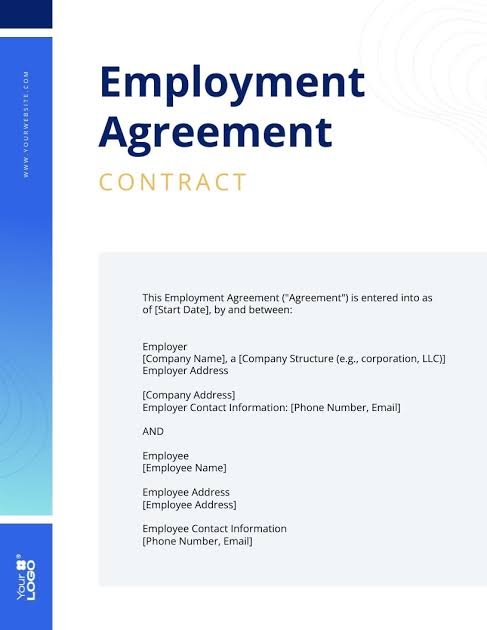
Contract Templates
using contract templates can save time, reduce legal risks, and ensure consistency in your agreements.
A well-designed contract template provides a structured framework that outlines the rights, responsibilities, payment terms, deadlines, and legal obligations of all parties involved. Instead of drafting every agreement from scratch, businesses can customize a template to meet their specific needs while maintaining professionalism.
This comprehensive guide explores everything you need to know about contract templates, their benefits, common types, key components, best practices, and tips for creating legally sound agreements.
What Are Contract Templates?
Contract templates are pre-written legal documents designed to simplify the creation of agreements between two or more parties. They contain standard legal clauses and sections that can be customized by inserting relevant information such as names, dates, payment terms, project descriptions, and other details.
Rather than writing a new contract every time, businesses use templates as a reliable starting point that saves effort while maintaining consistency.
Contract templates are commonly used across industries including:
- Freelancing
- Construction
- Real estate
- Employment
- Marketing
- Software development
- Consulting
- Healthcare
- Education
- Manufacturing
Why Are Contract Templates Important?
Using professionally designed contract templates offers numerous advantages for businesses and individuals.
Saves Time
Creating contracts from scratch requires significant time and effort. Templates eliminate repetitive drafting by providing ready-made structures that only need minor customization.
Improves Consistency
Businesses often work with multiple clients, employees, and vendors. Standardized templates ensure every agreement follows the same professional format and legal standards.
Reduces Errors
Templates help avoid missing important clauses that could lead to misunderstandings or disputes.
Enhances Professionalism
Well-organized agreements build trust with clients and partners by demonstrating professionalism and attention to detail.
Supports Legal Protection
Although every situation is unique, a carefully prepared template includes essential legal provisions that protect all parties involved.
Common Types of Contract Templates
Different situations require different agreements. Below are some of the most widely used contract templates.
Employment Contract
An employment contract defines the relationship between an employer and employee. It typically includes:
- Job responsibilities
- Salary
- Benefits
- Working hours
- Confidentiality
- Termination conditions
Independent Contractor Agreement
This agreement is designed for freelancers and self-employed professionals. It outlines project expectations without creating an employer-employee relationship.
Service Agreement
Service providers use this contract to define the scope of work, payment terms, timelines, and responsibilities.
Examples include:
- Digital marketing
- Graphic design
- Accounting
- Consulting
- Cleaning services
Sales Contract
A sales contract documents the purchase and sale of goods or services. It specifies pricing, delivery schedules, warranties, and payment methods.
Non-Disclosure Agreement (NDA)
An NDA protects confidential information shared between businesses, employees, or contractors.
It commonly covers:
- Trade secrets
- Business strategies
- Client lists
- Product designs
- Financial information
Lease Agreement
Property owners and tenants use lease agreements to establish rental terms.
Typical sections include:
- Rent amount
- Security deposit
- Lease duration
- Maintenance responsibilities
- Property rules
Partnership Agreement
Business partners use partnership contracts to define ownership percentages, profit sharing, decision-making authority, and dispute resolution procedures.
Consulting Agreement
Consultants use these templates to describe services, deliverables, project milestones, and compensation.
Essential Components of Contract Templates
Every effective contract template should include several important sections.
Title
Begin with a clear title that identifies the agreement.
Examples include:
- Service Agreement
- Employment Contract
- Consulting Agreement
- Vendor Contract
Parties Involved
Clearly identify everyone entering into the agreement.
Include:
- Full legal names
- Company names
- Addresses
- Contact information
Scope of Work
Describe exactly what products or services will be delivered.
Be specific to minimize misunderstandings.
Payment Terms
Clearly explain:
- Total payment
- Payment schedule
- Accepted payment methods
- Late payment penalties
- Refund policies
Timeline
Specify important dates including:
- Project start
- Completion deadline
- Milestones
- Renewal periods
Responsibilities
Outline the obligations of each party.
This section ensures everyone understands their role.
Confidentiality
Protect sensitive business information by including confidentiality provisions.
Intellectual Property
If applicable, explain who owns:
- Copyrights
- Trademarks
- Designs
- Software
- Documents
- Creative work
Termination Clause
Describe how either party may end the agreement.
Include:
- Required notice period
- Grounds for termination
- Financial obligations after termination
Dispute Resolution
Explain how disagreements will be handled.
Common methods include:
- Negotiation
- Mediation
- Arbitration
- Court proceedings
Signatures
Leave space for:
- Printed names
- Signatures
- Dates
A signed agreement demonstrates acceptance of the contract terms.
Benefits of Using Contract Templates
Businesses of every size benefit from standardized agreements.
Faster Client Onboarding
Sales teams and service providers can send contracts quickly without rewriting documents.
Lower Legal Costs
Templates reduce the amount of legal drafting required for routine agreements.
Better Risk Management
Standard clauses help protect businesses from unnecessary legal exposure.
Easier Record Keeping
Consistent formatting simplifies document organization and retrieval.
Increased Productivity
Employees spend less time preparing paperwork and more time serving customers.
How to Create an Effective Contract Template
Developing a reliable template requires careful planning.
Use Clear Language
Avoid overly complicated legal terminology whenever possible.
Simple language improves understanding for everyone involved.
Include Only Relevant Sections
Different contracts require different clauses.
A freelance agreement does not need the same provisions as a real estate contract.
Keep Formatting Consistent
Use:
- Headings
- Numbered sections
- Bullet points
- Consistent fonts
Professional formatting improves readability.
Leave Editable Fields
Replace variable information with placeholders such as:
- Client Name
- Company Name
- Date
- Payment Amount
- Project Description
This makes customization quick and easy.
Review Regularly
Business laws and company policies change over time.
Review templates periodically to ensure they remain current.
Mistakes to Avoid When Using Contract Templates
Although templates are useful, they must be used carefully.
Copying Random Templates
Not all online templates are accurate or suitable for your jurisdiction.
Choose reliable sources or consult legal professionals.
Leaving Out Important Details
Never assume both parties understand unwritten expectations.
Everything important should be included in writing.
Using Vague Language
Avoid statements like:
“Work will be completed soon.”
Instead write:
“The project will be completed by September 30, 2026.”
Specific language reduces disputes.
Forgetting Signatures
Unsigned agreements may be difficult to enforce.
Always obtain signatures from all parties.
Ignoring Local Laws
Legal requirements vary between countries and states.
Templates should comply with applicable regulations.
Industries That Frequently Use Contract Templates
Many industries rely on standardized agreements.
Construction
Construction companies use templates for:
- Subcontractors
- Suppliers
- Equipment rentals
- Project management
Information Technology
IT businesses prepare contracts for:
- Software development
- Website design
- Maintenance
- Technical support
Marketing Agencies
Marketing firms use contracts for:
- SEO services
- Advertising
- Social media management
- Branding projects
Healthcare
Healthcare organizations rely on agreements involving:
- Medical services
- Vendors
- Employees
- Consultants
Education
Educational institutions create contracts for:
- Teachers
- Tutors
- Guest speakers
- Service providers
Digital Contract Templates
Modern businesses increasingly use electronic contracts.
Digital templates offer several advantages.
Electronic Signatures
Parties can sign agreements remotely without printing documents.
Cloud Storage
Contracts remain securely stored and accessible from anywhere.
Version Control
Businesses can track edits and maintain updated versions.
Automation
Software can automatically fill customer information into templates, reducing manual work.
Best Practices for Managing Contract Templates
Proper management improves efficiency.
Some useful practices include:
- Store templates in a secure location.
- Create separate templates for different business situations.
- Name files consistently.
- Restrict editing permissions.
- Maintain backup copies.
- Archive outdated versions.
- Review annually for legal updates.
These practices help maintain accuracy and reduce confusion.
When Should You Customize a Contract Template?
Templates are designed to be flexible, not one-size-fits-all documents.
Customization may be necessary when:
- Working with international clients
- Handling high-value transactions
- Managing complex projects
- Including industry-specific regulations
- Negotiating unique payment arrangements
The template provides the foundation, while customization ensures it reflects the actual agreement.
Conclusion
Contract templates are valuable tools that simplify the process of creating professional, consistent, and legally organized agreements. They save time, reduce administrative work, improve communication, and help businesses maintain standardized documentation across multiple transactions.
Whether you operate a freelance business, manage a growing company, or oversee corporate operations, investing in well-structured contract templates can significantly improve efficiency and reduce potential disputes. By including essential sections such as payment terms, responsibilities, confidentiality, dispute resolution, and termination clauses, your agreements become clearer and more reliable.
While templates provide an excellent starting point, they should always be reviewed and customized to fit the specific situation. For important or complex agreements, seeking legal guidance is advisable to ensure compliance with applicable laws and to protect the interests of all parties.
With the right approach, contract templates become more than just documents—they become an essential part of building professional relationships, managing risk, and supporting long-term business success.
About the Author