AllHipHop
In the late 1990s, the landscape of music journalism was vastly different from what it is today. If you wanted to know what was happening in the world of rap music, you had to wait for the monthly print editions of magazines like The Source or Vibe, or stay up late to watch specialized music video shows. That all changed in 1998 when a digital revolution quietly began, spearheaded by a website that would alter the course of hip-hop media forever: AllHipHop.com.
Often affectionately dubbed “The CNN of Hip-Hop,” AllHipHop did not just report on the culture; it built a digital sanctuary for it. Over nearly three decades, the platform has grown from a grassroots internet forum into a multi-award-winning media powerhouse, serving as a blueprint for modern music blogging, news curation, and community engagement.
1. The Genesis: Two Visionaries and a Dial-Up Connection
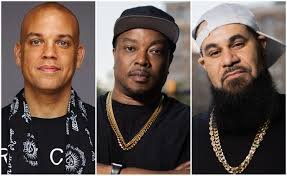
To understand the impact of AllHipHop, one must understand its origin. The platform was founded in 1998 by Greg “Grouchy” Watkins and Chuck “Jigsaw” Creekmur. Both were deeply embedded in the culture—Watkins had a background in music production and technology, while Creekmur was an accomplished entertainment journalist.
[1998: Launch] ➔ [Early 2000s: The Rumors Boom] ➔ [Late 2000s: Video Content Era] ➔ [Present: Legacy Media Powerhouse]
At the time, the mainstream internet was in its infancy. Major media corporations largely ignored hip-hop, viewing it as a passing fad or a niche market. Watkins and Creekmur saw a massive void. They realized that hip-hop fans were fiercely loyal, hungry for daily updates, and eager to connect with each other globally.
Operating on shoestring budgets and utilizing slow dial-up connections, the duo launched AllHipHop. Their mission was simple but revolutionary: provide daily, accurate, and unfiltered news about the hip-hop community, by the community, for the community.
2. The Illest Columns: Building a Digital Community
What separated AllHipHop from other early music websites was its unique structure and voice. It wasn’t just a corporate newsletter; it was interactive, gritty, and incredibly fast. The website established several tentpole sections that became daily destinations for millions of internet users.
The Legendary “Illseed” Rumors Section
Long before Twitter, Instagram, or TikTok, there was the AllHipHop Rumors section, largely curated by the mysterious digital persona “Illseed.” This section became the absolute epicenter of internet culture.
- It was the place where upcoming rap beefs were first predicted.
- It leaked unreleased tracklists and secret studio sessions.
- It offered behind-the-scenes industry gossip that major labels tried desperately to keep under wraps.
What made the rumors section unique was its balance. While it indulged in the gossip that fueled the genre’s competitive nature, it did so with a sense of humor and a deep respect for the art form, avoiding the mean-spirited nature of modern tabloid blogs.
The Breeding Ground for Independent Artists
Before streaming platforms allowed artists to upload music directly to the public, breaking into the music industry required massive financial backing. AllHipHop changed the game with sections dedicated to unsigned and independent talent. By reviewing mixtapes and hosting indie spotlights, the platform democratized the music industry, giving underground artists a global stage long before SoundCloud or Spotify existed.
3. Shifting the Industry: Cultural and Economic Impact
AllHipHop’s rise to prominence fundamentally shifted the power dynamic between traditional print media and the digital space.
| Feature / Metric | Traditional Print (90s/00s) | AllHipHop / Digital Era |
|---|---|---|
| News Cycle | Monthly / Delayed | Instant / 24/7 Daily Updates |
| Audience Reach | Regional / Newsstand Dependent | Global Instant Access |
| Interactivity | Letters to the Editor (Slow) | Comment Sections & Forums (Instant) |
| Cost to Consumer | Subscription or Retail Cover Price | Free |
As a result of this digital shift, the music industry had to adapt. Record labels quickly realized that a bad review or a leaked rumor on AllHipHop could break an album promotional campaign before it even launched. Publicists stopped mailing physical press packages to magazine editors and began emailing press releases directly to Watkins and Creekmur.
The site became so influential that it consistently took home the award for “Best Hip-Hop Site/Platform” at the BET Hip Hop Awards, competing against massive corporate entities and proving that independent, Black-owned digital media could dominate the marketplace.
4. More Than Just Music: A Platform with a Conscience
While many outlets focused solely on the glitz, glamour, and occasional violence associated with the rap industry, AllHipHop always maintained a strong editorial conscience. The founders understood that hip-hop is a reflection of society, and therefore, the platform needed to address serious socio-political issues.
“Hip-Hop is political. It is a voice for the voiceless. You cannot cover the music without covering the conditions that created the music.” — Cultural Consensus on AllHipHop’s Editorial Mandate
Over the years, AllHipHop has provided extensive coverage on:
- Social Justice: Tracking cases of police brutality, systemic inequality, and community activism.
- Political Activism: Encouraging voter registration drives and documenting how rap artists engage with local and national politics.
- Financial Literacy: Educating young artists and fans on the pitfalls of predatory record contracts, copyright law, and wealth management.
- Health and Wellness: Breaking the stigma around mental health and physical well-being within the hip-hop community, especially following the tragic losses of several iconic figures.
5. Adapting to the Modern Web: The Visual and Multimedia Evolution
As technology evolved from text-heavy forums to multimedia-driven platforms, AllHipHop evolved with it. The brand successfully transitioned into the era of digital video and social media.
Instead of relying solely on written text, AllHipHop launched its own video network, featuring high-quality, long-form interviews with elite artists like Jay-Z, Eminem, Lil Wayne, and Nas, alongside new-generation superstars. They expanded their footprint into podcasting, live event coverage, and social media syndication, ensuring that the brand remained relevant to Gen-Z and millennial audiences alike.
6. The Legacy of AllHipHop
Today, the internet is flooded with music blogs, lifestyle websites, and social media influencers who cover urban culture. However, almost all of them owe a debt of gratitude to AllHipHop.
Greg Watkins and Chuck Creekmur did not just build a successful website; they proved that hip-hop culture deserved a professional, dedicated, and round-the-clock news archive. They archived the golden eras of rap music, documented the transition of hip-hop into the most dominant musical genre in the world, and gave millions of fans a place to call home.
As the platform continues to navigate the ever-changing landscape of digital media, artificial intelligence, and streaming algorithms, its core foundation remains unshaken. AllHipHop stands as a living monument to the power of independent media, black-owned business, and the enduring legacy of hip-hop culture.
About the Author