Alex and Ani
Alex and Ani didn’t just sell jewelry; they sold identity, spirituality, and connection. At its peak, the company redefined the fast-fashion jewelry market, proving that consumers were hungry for products that felt personal and carried a deeper meaning. However, like many retail giants that experience astronomical growth, the brand faced severe internal and financial hurdles.
Here is the definitive story of how Alex and Ani conquered the jewelry world, the missteps that led to its restructuring, and how its legacy continues to shape the fashion industry today.
1. The Genesis: Born from Passion and Heritage
The story of Alex and Ani begins in Rhode Island, a state historically recognized as the jewelry manufacturing capital of the United States. Founded in 2004 by Carolyn Rafaelian, the company was named after her two eldest daughters, Alex and Ani.
Rafaelian was no stranger to the craft. Her father was a jewelry manufacturer, and she grew up learning the intricacies of design, metalwork, and production. When she launched her own brand, she wanted to create something fundamentally different from the mass-produced, sterile fashion accessories dominant at the time. She envisioned a line of jewelry that served a higher purpose—acting as a vehicle for positive energy, personal empowerment, and spiritual connection.
Operating out of her father’s manufacturing facility, Rafaelian designed a unique, patented sliding mechanism that allowed wire bangles to expand and contract. This single design innovation eliminated the need for sizing, making the bracelets a perfect fit for any wrist and setting the stage for a retail revolution.
2. The Core Philosophy: “Meaningful Eco-Luxury”
To understand why Alex and Ani became a global obsession, one must understand the three core pillars that defined the brand’s identity:
Spiritual and Symbolic Value
Every piece of jewelry was infused with intention. The brand utilized ancient symbols, zodiac signs, religious icons, and motivational mantras. Whether it was the Hamsa Hand for protection, the Tree of Life for growth, or the Path of Life for destiny, consumers bought these bracelets because the symbols resonated with their personal journeys.
The “Stacking” Phenomenon
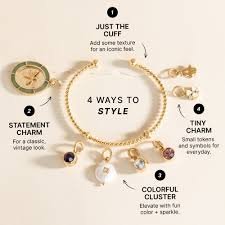
Alex and Ani championed the concept of the “arm party.” The bracelets were designed to be collected and stacked. A single bangle looked delicate, but ten or fifteen stacked together created a bold, personalized fashion statement. This created a highly addictive consumer loop: customers didn’t just buy one bracelet; they bought new ones to commemorate birthdays, graduations, family milestones, or personal achievements.
Sustainability and Local Manufacturing
Long before “eco-friendly” was a standard marketing buzzword, Alex and Ani committed to using recycled, sustainable materials. The jewelry was primarily crafted from recycled scrap copper and brass, finished with silvertone or goldtone plating. Furthermore, Rafaelian insisted on keeping production entirely in the United States, supporting local economies and ensuring strict quality control.
3. The Billion-Dollar Boom Era
Between 2010 and 2016, Alex and Ani experienced unprecedented exponential growth. What started as a grassroots movement quickly caught the attention of major retailers, celebrities, and Wall Street investors.
By 2017, Carolyn Rafaelian was recognized by Forbes as one of America’s richest self-made women, with a net worth estimated at over $1 billion. The brand’s signature jingling sound had officially become the soundtrack of millennial fashion.
4. Chariot for Charity: A Model for Corporate Social Responsibility
One of the most admirable aspects of Alex and Ani’s business model was its Chariot for Charity initiative. The brand understood that modern consumers, particularly Millennials and Gen Z, prefer to buy from companies that give back to society.
Through this program, Alex and Ani partnered with dozens of non-profit organizations, including the American Heart Association, Living Water International, and the Peace Corps. They designed exclusive charms for these charities and donated a generous percentage (often 20%) of the purchase price directly to the causes. Over its lifetime, the initiative raised over $50 million for global charities, proving that fashion could be a powerful force for global good.
5. The Turning Point: Operational Hurdles and Bankruptcy
No brand is immune to the perils of rapid expansion. By the late 2010s, the very factors that fueled Alex and Ani’s rise began to strain its infrastructure.
Supply Chain and Inventory Struggles
As demand exploded, managing the supply chain became incredibly complex. The brand faced massive inventory gluts, creating an oversupply of product that diluted its exclusivity.
Leadership Disruptions and Legal Disputes
The company underwent several rapid changes in executive leadership, leading to clashing corporate strategies. In 2019, Alex and Ani filed a high-profile, multi-million-dollar lawsuit against its primary lender, alleging gender discrimination and predatory practices that crippled its credit line. While the lawsuit was eventually dropped, the financial damage and negative press took a heavy toll.
Changing Consumer Tastes
By 2020, the minimalist fashion trend began to take over. The heavy, stacked, bohemian look of the early 2010s gave way to sleek, subtle, and fine gold jewelry.
These compounding factors, exacerbated by the global retail shutdowns of the COVID-19 pandemic, forced Alex and Ani to file for Chapter 11 bankruptcy protection in June 2021.
6. The Modern Resurgence and Legacy
Filing for bankruptcy was not the end of the story; it was a transition. Alex and Ani used the restructuring process to trim operational fat, close underperforming brick-and-mortar stores, and aggressively pivot toward an e-commerce-first business model. Carolyn Rafaelian stepped away from the company, and new ownership took the reins to stabilize the brand.
Today, Alex and Ani operates as a leaner, smarter digital-first retailer. They have updated their designs to appeal to a new generation of shoppers, introducing finer metals, delicate chains, and modern adaptations of their classic charms, while still staying true to their eco-conscious, meaningful roots.
Key Takeaways from the Alex and Ani Story:
- Purpose-Driven Marketing Wins: Giving consumers a reason to care about a product beyond its physical appearance creates deep, unbreakable brand loyalty.
- Scalability Requires Systems: Brilliant creative vision must always be backed by robust supply chain management and stable financial infrastructure.
- Adaptability is Mandatory: Fashion trends are cyclical. Brands must constantly evolve their aesthetic to stay relevant to younger demographics.
Conclusion
Alex and Ani remains a landmark case study in modern fashion history. It boldly proved that a jewelry brand could prioritize sustainability, manufacture locally in the United States, champion charitable causes, and still achieve a billion-dollar valuation.
While its golden era of retail dominance has evolved into a quieter, more focused online presence, the brand’s impact on how we view, collect, and wear sentimental jewelry is undeniable. For millions of women around the world, those jingling wire bangles aren’t just accessories stashed away in a jewelry box—they are a wearable map of memories, milestones, and personal power.
About the Author