Dogecoin
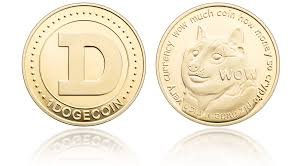
When IBM software engineer Billy Markus and Adobe product manager Jackson Palmer created Dogecoin in December 2013, they never anticipated it would become a multi-billion-pound financial asset. Devised as a satirical critique of the rapid, often absurd proliferation of speculative cryptocurrencies (or “altcoins”) at the time, Dogecoin was built on the open-source codebase of Litecoin and branded with the popular “Doge” internet meme featuring a Shiba Inu dog.
For years, Dogecoin existed primarily as a tool for micro-tipping on platforms like Reddit and Twitter, cherished for its lighthearted, philanthropic community rather than its investment potential. However, the financial landscape shifted permanently between 2020 and 2021. Backed by high-profile endorsements from tech billionaires like Elon Musk, an aggressive retail trading movement on social media, and broader macroeconomic liquidity, Dogecoin transformed into a premier digital asset.
For investors in the United Kingdom, keeping track of the Dogecoin price in Great British Pounds (GBP) has become a mainstream financial practice. This comprehensive article delivers an in-depth analysis of the DOGE/GBP market, examines the underlying technical indicators shaping its value, reviews the fundamental ecosystem developments, and outlines a multi-year forecast for this iconic cryptocurrency.
1. Current Dogecoin to GBP Market Snapshot
As of June 2026, the cryptocurrency market is navigating a complex macroeconomic environment characterized by institutional adaptation and retail consolidation. Dogecoin continues to command significant liquidity, securing its position as a top-tier digital asset by market capitalization.
Real-Time DOGE/GBP Metrics
The current valuation metrics for Dogecoin against the British Pound provide a foundational understanding for active traders and long-term holders alike:
- Current DOGE/GBP Price: £0.062 (approx. $0.084 USD)
- 24-Hour Trading Volume: £1.1 Billion (across global spot exchanges)
- Market Capitalization: £10.1 Billion
- Circulating Supply: ~144 Billion DOGE
- 24-Hour Price Volatility: -4.3% to -5.9% (reflecting broader crypto market corrections)
The current price action reveals that Dogecoin is experiencing a localized pullback, moving in close tandem with Bitcoin’s correction into the low $60,000s. Despite daily fluctuations, the currency retains high trading volume, indicating robust liquidity and sustained market participation within the UK trading sessions.
2. Dogecoin Price Conversion and Calculation Matrix
For UK investors managing portfolios across fiat and digital currencies, understanding the exact conversion dynamics of DOGE to GBP is critical. Because digital assets are natively priced and traded against the U.S. Dollar (USD) on primary global order books, the DOGE/GBP rate is a composite metric influenced by both the asset’s intrinsic supply-demand dynamics and the current GBP/USD foreign exchange rate.
Conversion Reference Table
| Amount of Dogecoin (DOGE) | Estimated Value in British Pounds (GBP) | Estimated Value in U.S. Dollars (USD) |
| 1 DOGE | £0.062 | $0.084 |
| 10 DOGE | £0.62 | $0.84 |
| 100 DOGE | £6.20 | $8.40 |
| 500 DOGE | £31.00 | $42.00 |
| 1,000 DOGE | £62.00 | $84.00 |
| 5,000 DOGE | £310.00 | $420.00 |
| 10,000 DOGE | £620.00 | $840.00 |
| 50,000 DOGE | £3,100.00 | $4,200.00 |
| 100,000 DOGE | £6,200.00 | $8,400.00 |
The Forex Ripple Effect on UK Investors
Because the underlying liquidity of the crypto market is denominated in USD, British investors face a dual layer of volatility:
- Crypto Market Volatility: The shifting price of Dogecoin relative to global demand.
- Currency Volatility: The strength or weakness of the British Pound against the U.S. Dollar.
If the Bank of England adjusts interest rates or UK inflation figures shift, the value of the Pound fluctuates. For instance, if the Pound weakens against the Dollar, the price of DOGE in GBP can rise even if the asset’s USD price remains entirely flat. Traders must monitor macroeconomic indicators in London alongside international crypto developments.
3. Underlying Technology: How Dogecoin Works
To understand the long-term price potential of Dogecoin, one must look beyond the meme branding and analyze its technical infrastructure. Far from being a mere token built on top of another network, Dogecoin operates on its own independent, standalone blockchain.
[Dogecoin Blockchain Transaction Flow]
User Initiates Transfer -> Scrypt Algorithm Mining -> Auxiliary Proof-of-Work (AuxPoW) -> Block Confirmed (1 Min) -> Settlement
The Scrypt Consensus Mechanism
Dogecoin utilizes a Proof-of-Work (PoW) consensus mechanism based on the Scrypt algorithm, which it inherited from Luckycoin and Litecoin. Unlike Bitcoin’s SHA-256 algorithm, which requires highly specialized, energy-intensive ASIC (Application-Specific Integrated Circuit) hardware, Scrypt was intentionally engineered to be more memory-intensive. This allows for faster mining calculations and lower energy consumption per transaction.
Auxiliary Proof-of-Work (Merged Mining)
In 2024, to prevent potential 51% network security attacks resulting from fluctuating miner profitability, Dogecoin transitioned permanently to an Auxiliary Proof-of-Work (AuxPoW) structure, commonly known as merged mining.
Technical Note: Merged mining allows miners to simultaneously mine both Litecoin and Dogecoin without requiring additional computing power or sacrificing efficiency. This integration hitches Dogecoin’s network security directly to the massive hash rate of the Litecoin blockchain, making the Dogecoin ledger incredibly secure against malicious alterations.
Tokenomics and the Inflation Debate
Bitcoin is famously deflationary, featuring a hard supply cap of 21 million coins. Dogecoin, conversely, features a fixed, predictable inflationary tokenomics model.
- Block Reward: 10,000 DOGE are minted per minute.
- Annual Issuance: Exactly 5.25 billion new Dogecoins enter circulation every year.
While critics argue that this infinite supply cap dilutes long-term value, proponents note that the inflation rate decreases relative to the total supply over time. For example, an issuance of 5.25 billion coins on a supply of 144 billion represents an annual inflation rate of roughly 3.6%—a figure that will continually approach 0% over decades. This predictable issuance ensures low transaction fees and guarantees that miners remain incentivized to secure the network indefinitely without relying solely on user transaction costs.
4. Fundamental Factors Driving the DOGE/GBP Price
Cryptocurrency valuation models differ fundamentally from traditional equities. Dogecoin’s market price is determined by a unique constellation of retail hype, institutional vehicles, technological developments, and macroeconomics.
Macro Tide and Bitcoin Correlation
Dogecoin remains a high-beta asset. In financial terms, this means it behaves like a leveraged amplifier of broader market trends. When Bitcoin climbs into a structural bull market, capital overflows down the risk curve, pouring into high-volume altcoins like Dogecoin and driving rapid upward movements. Conversely, when Bitcoin faces downward pressure—as seen in the current market climate where BTC has pulled back toward the low $60,000s—Dogecoin experiences sharper, magnified percentage drops.
The Institutional Shift: Spot DOGE ETFs
A key development stabilizing Dogecoin’s market structure is the introduction and adoption of Spot DOGE Exchange-Traded Funds (ETFs). Recent market data indicates that spot DOGE ETFs are currently riding a multi-week positive inflow streak, marking their longest sustained accumulation run since launch.
This trend signals a profound shift: institutional wealth managers and registered financial advisers are quietly accumulating Dogecoin through regulated investment products. These steady inflows create a structural floor under the price, absorbing retail sell-offs during periods of panic and proving that Dogecoin is increasingly viewed as a legitimate digital asset class.
The “Elon Musk Effect” and Corporate Integrations
Perhaps no single external factor impacts the price of Dogecoin more than the actions and statements of Tesla and SpaceX CEO Elon Musk. Historically, single tweets or subtle profile updates from Musk have triggered multi-billion-pound market moves within minutes.
Beyond social media rhetoric, physical utility has solidified this connection. Tesla accepts DOGE for specific merchandise on its global web store, and SpaceX has incorporated Dogecoin into programmatic corporate transactions. Any further structural integration of Dogecoin into major ecosystems—such as payment infrastructure for mainstream social media networks or X (formerly Twitter)—serves as an immediate fundamental catalyst for DOGE/GBP valuation spikes.
5. Technical Analysis: Breaking the 7-Month Downtrend
While fundamentals explain why an asset holds value, technical analysis reveals when price trends are reversing. Recent price charts for Dogecoin highlight a critical structural breakout that technical analysts are tracking closely.
The Descending Trendline Breakout
Since November 2025, Dogecoin’s price had been locked under a persistent, heavy descending trendline, with sellers consistently hammering down every attempt at a rally. However, recent charts show that DOGE has successfully broken above this 7-month downtrend line.
$$ \text{Resistance Level Downtrend Breakout} \implies \text{Shift from Bearish to Neutral/Bullish Accumulation} $$
In classical charting, a breakout above a long-term descending trendline indicates a structural shift. It signals that the aggressive selling pressure that dominated the previous two quarters has finally exhausted itself, moving the asset out of a macro markdown phase and into an accumulation zone.
DOGE/GBP Price Chart Analogy:
Price Level
  |   \
  |    \  <- 7-Month Resistance Line
  |_____\______ Breakout Area (£0.062)
  |      \____/ -> Current Consolidation & Institutional Accumulation
  +-------------------------------------> Time
Critical Support and Resistance Zones
For traders in the UK looking to navigate the DOGE/GBP charts, several key horizontal price zones require close attention:
- Macro Support Zone (£0.055 – £0.058): This represents a historical demand zone where buyers have historically stepped in with high volume to defend the price.
- Current Pivot Level (£0.062): The current battleground. Holding this level as support confirms the validity of the trendline breakout.
- Primary Resistance Target (£0.075): The first major structural hurdle. A clean break above this level exposes the path toward £0.090 and psychological boundaries beyond.
6. Regulatory Landscape for UK Traders (FCA Directives)
Trading cryptocurrencies in the United Kingdom requires a clear understanding of the regulatory framework managed by the Financial Conduct Authority (FCA). The UK has implemented some of the world’s most stringent frameworks regarding the marketing and retail distribution of crypto assets.
The Ban on Crypto Derivatives
Since January 2021, the FCA has enforced a strict ban on the sale, marketing, and distribution of crypto-backed derivatives (such as CFDs, Futures, and Options) to retail consumers within the UK. The regulatory body maintains that these products are unsuitable for retail investors due to:
- Extreme inherent price volatility.
- The prevalence of market manipulation in underlying spot markets.
- The risk of sudden, unmanageable losses due to leverage.
Therefore, UK-based investors looking to gain exposure to the Dogecoin price in GBP must do so strictly via spot crypto exchanges (buying the actual digital asset) or utilizing fully compliant, physically-backed spot investment vehicles approved for institutional or specific market segments.
Financial Promotion Rules and Taxation
Under expanded financial promotion rules, any platform offering Dogecoin to UK citizens must provide explicit risk warnings, implement mandatory cooling-off periods for first-time buyers, and ensure that marketing materials are clear, fair, and not misleading.
Furthermore, Her Majesty’s Revenue and Customs (HMRC) treats Dogecoin as a “cryptoasset.” Profits realized from selling, trading, or spending Dogecoin are subject to Capital Gains Tax (CGT) once an individual exceeds their annual tax-free allowance. Keeping precise records of the GBP value of Dogecoin at the exact time of purchase and sale is a legal necessity for UK taxpayers.
7. Step-by-Step Guide: How to Securely Buy and Store Dogecoin in the UK
If you are considering navigating the DOGE/GBP market, executing transactions securely and utilizing proper custodial practices is vital.
Step 1: Select an FCA-Registered Crypto Platform
Choose a reputable cryptocurrency exchange that complies with FCA anti-money laundering (AML) regulations and natively supports direct GBP fiat ramps. Popular platforms serving the UK market include:
- Coinbase: Offers an intuitive interface suitable for beginners.
- Kraken: Renowned for deep liquidity, advanced security, and comprehensive GBP order books.
- Revolut / Uphold: Convenient options for quick retail exposure, though sometimes featuring higher spread fees.
Step 2: Fund Your Account via Faster Payments
Once your identity is verified through standard Know Your Customer (KYC) procedures, fund your account using British Pounds. Most UK exchanges support Faster Payments Service (FPS), allowing you to transfer GBP directly from your UK bank account to the exchange within minutes, usually free of charge.
Step 3: Execute the DOGE/GBP Order
Navigate to the trading interface, locate the DOGE/GBP pair, and choose your order type:
- Market Order: Purchases Dogecoin instantly at the best available current market price.
- Limit Order: Specifies the exact price in GBP at which you want to buy, executing automatically only when the market hits that target.
Step 4: Implement a Secure Custody Strategy
Leaving large sums of Dogecoin on an exchange leaves your capital exposed to platform insolvency or hacking risks. For long-term preservation of capital, move your assets to an independent wallet:
[Storage Strategy Matrix]
  |
  +---> Hot Wallet (Software: Trust Wallet, MetaMask) -> Best for Active Trading & Convenience
  |
  +---> Cold Wallet (Hardware: Ledger, Trezor) -------> Best for Long-Term Storage & Maximum Security
8. Historical Context: Milestones in Dogecoin’s Price Journey
To appreciate where Dogecoin’s price may go, one must analyze where it has been. Dogecoin’s historical price journey is a masterclass in market psychology, network effects, and viral economic cycles.
2013 – 2020: The Penny Fractions Era
For the first seven years of its life, Dogecoin traded at mere fractions of a single British penny, typically ranging between £0.0001 and £0.002. It was viewed purely as a hobbyist asset. Its primary utility was communal—funding charity drives, sponsoring the Jamaican bobsled team for the 2014 Winter Olympics, and funding clean water wells in developing countries.
2021: The Historic Bull Run
In 2021, a perfect storm occurred. Fueled by pandemic-era stimulus liquidity, aggressive retail coordination on Reddit’s WallStreetBets, and a barrage of tweets from Elon Musk, Dogecoin experienced an unprecedented vertical rally.
In May 2021, ahead of Musk’s appearance on the American television show Saturday Night Live, Dogecoin vaulted to an all-time high of approximately £0.53 ($0.73 USD). At that moment, a joke asset conceived in an afternoon achieved a market valuation exceeding £60 Billion, temporarily surpassing established corporations like Barclays and Nintendo.
2022 – 2025: Crypto Winter and Maturation
The post-2021 macroeconomic tightening cycle—marked by rising central bank interest rates globally—pushed the entire crypto space into a severe bear market. Dogecoin shed over 90% of its peak value, bottoming out in the low single-digit pennies. However, unlike thousands of defunct meme tokens from that era, Dogecoin survived. This resilience paved the way for the institutional accumulation and technical breakouts observed in 2026.
9. Comprehensive Price Forecast and Future Outlook
Predicting the precise trajectory of a highly volatile altcoin is inherently speculative. However, by combining current on-chain metrics, technical trendline data, and institutional inflow patterns, a reasoned multi-tier forecast can be constructed for the remainder of the decade.
Short-Term Outlook (Remainder of 2026)
In the immediate future, Dogecoin’s primary task is to consolidate its recent trendline breakout. If Bitcoin finds a reliable floor in its current correction and begins a steady ascent, Dogecoin is structurally positioned to break past its overhead resistance at £0.075, potentially testing a range between £0.090 and £0.11 by the end of the year. Conversely, if macro liquidity dries up further, expect a retest of the reliable safety net at £0.055.
Medium-Term Projections (2027 – 2028)
The medium-term horizon will be heavily dictated by utility and institutional ETF product expansion. If global asset managers scale up their spot DOGE ETF offerings and corporate cross-border payment utility expands, Dogecoin will successfully decouple from its purely speculative meme reputation. Analysts project that a sustained utility cycle could drive DOGE/GBP prices into a structural band of £0.25 to £0.40.
Long-Term Speculative Targets (2030 and Beyond)
The psychological milestone of $1.00 USD (roughly £0.74 GBP) remains the ultimate long-term target for the Dogecoin community. For Dogecoin to reach and sustain a price of £0.74 by 2030, its market capitalization would need to scale past £100 Billion.
While this sounds staggering, it is entirely within the realm of historical crypto cycles, provided that Dogecoin becomes a foundational native payment tier for global digital platforms, micro-transaction processing systems, and peer-to-peer web infrastructure.
10. Risk Management: Balancing Hype Against Reality
Investing in Dogecoin carries a high degree of risk that requires disciplined portfolio management. It is vital to separate community enthusiasm from sober financial realities.
Diversification and Capital Allocation
Because of its high volatility, financial advisors generally recommend treating altcoins like Dogecoin as a speculative component of a broader, well-diversified investment portfolio. Allocating money that is strictly earmarked for high-risk venture capital—capital you are entirely prepared to lose—protects your primary financial health from sudden market downturns.
Guarding Against Market Manipulation and “FOMO”
The meme coin sector is highly susceptible to FOMO (Fear of Missing Out) and targeted pump-and-dump mechanics. Buying an asset after it has experienced a vertical 50% rally in a single day often results in retail traders buying the local top right before early whales take profit. Utilizing systematic entry strategies, such as Dollar-Cost Averaging (DCA), allows you to build a position in Dogecoin over time, smoothing out market volatility and mitigating the emotional traps of day trading.
Conclusion: The Evolving Legacy of Dogecoin
Dogecoin has defied every traditional financial model since its inception in 2013. What began as an internet parody has evolved into a highly secure, decentralized, merged-mined blockchain backed by billions of pounds in daily liquidity, dedicated institutional ETF inflows, and an incredibly passionate global community.
For UK market participants tracking the Dogecoin price in GBP, the current market structure presents a fascinating intersection of technical and fundamental indicators. The breaking of the 7-month descending trendline, paired with quiet institutional accumulation through spot investment vehicles, suggests that beneath the daily market noise, Dogecoin’s market foundation is maturing.
As the digital asset ecosystem marches forward into the late 2020s, Dogecoin remains a uniquely vibrant force. Whether viewed as an entry point for crypto newcomers, a high-beta speculative vehicle, or an emerging layer for global micro-payments, the Shiba Inu-branded currency has permanently etched its pawprints onto the bedrock of global finance.
About the Author