Local
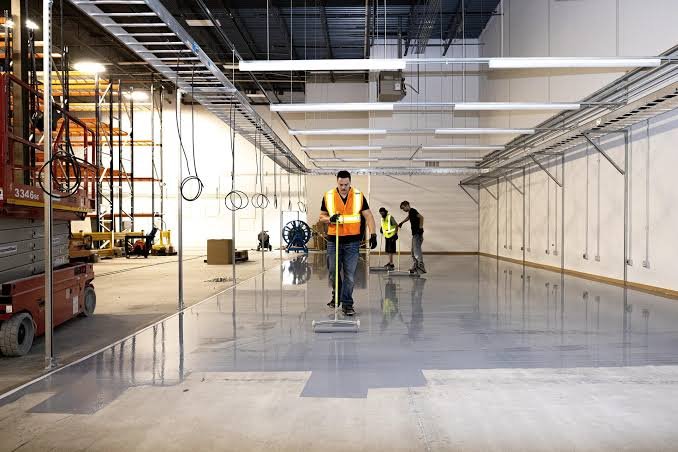
To combat this, municipal governments across the nation are quietly turning to an innovative solution: cool pavements. Instead of relying on standard dark sealants during routine road maintenance, cities and suburban towns are treating residential streets with specialized, light-colored reflective coatings. This single, practical shift is transforming local infrastructure, lowering ground temperatures significantly, and offering a long-term fix for the urban heat island effect.
The Hidden Culprit: The Urban Heat Island Effect
To understand why local public works departments are spending resources to paint streets gray or off-white, it helps to examine how traditional infrastructure handles sunlight.
When natural landscapes like fields and forests are replaced by dense concentrations of dark pavements, driveways, and rooftops, a localized microclimate is created. This is known as the Urban Heat Island (UHI) effect. Standard petroleum-based black asphalt absorbs up to 95% of the sun’s energy. During peak afternoon hours, dark road surfaces can easily skyrocket to temperatures between 120°F and 150°F (49°C to 66°C).
[Conventional Black Asphalt: Absorbs ~95% Solar Radiation]
                           │
                           ▼
[Heat Retained Deep in Pavement Layers & Released Overnight]
                           │
                           ▼
[Elevated Ambient Air Temps ➔ Higher A/C Use ➔ Heavy Grid Strain]
This trapped heat does not just vanish when the sun goes down. The thick layers of asphalt slowly radiate that stored warmth back into the air overnight. As a result, suburban neighborhoods and urban blocks remain artificially warm around the clock, preventing households from naturally cooling down in the evening. This persistent warmth forces air conditioning units to run longer, drives up household electricity bills, and places a massive strain on local power grids.
The Science: How Do Cool Pavements Work?
“Cool pavement” is an umbrella term for a variety of technologies designed to reflect solar energy rather than store it. The primary secret to their success lies in improving two distinct physical properties: solar reflectance (commonly called albedo) and thermal emittance.
- Solar Reflectance (Albedo): Albedo measures the percentage of solar energy reflected by a surface. Fresh black asphalt has a remarkably low albedo of about 0.05, meaning it reflects a meager 5% of light and absorbs 95%. Cool pavements utilize lighter-colored aggregates, specialized water-based polymer coatings, or concrete blends to achieve an albedo rating between 0.30 and 0.40—effectively reflecting up to 40% of the sun’s rays back into space.
- Thermal Emittance: This property determines how quickly a material radiates heat away from itself. High thermal emittance ensures that the small fraction of heat the street does absorb is shed rapidly into the atmosphere rather than sinking deep into the road structure.
The Three Main Approaches to Cooler Streets
Towns are deploying different cool pavement strategies depending on their existing road conditions, traffic density, and municipal budgets:
| Pavement Type | Application Method | Best Used For | Typical Lifespan |
| Reflective Topcoat Sealants | Sprayed or rolled liquid polymer coatings over existing asphalt | Residential side streets, public parking lots, basketball courts | 3 to 5 Years |
| Light-Colored Aggregates | Mixing lighter stones (like limestone or granite) directly into new asphalt | Major secondary roads undergoing full resurfacing | 10 to 15 Years |
| Permeable Concrete Pavers | Interlocking blocks with open pores that allow air and water circulation | Neighborhood sidewalks, alleyways, pedestrian plazas | 20+ Years |
Why Suburban Towns and Local Communities Are Rushing to Adopt It
While large-scale climate infrastructure projects are often associated with massive metropolitan downtowns like Los Angeles or Phoenix, cool pavements are seeing rapid, highly successful deployment in smaller suburban communities and local city districts. The benefits hit incredibly close to home:
1. Measurable Drop in Neighborhood Temperature
Pilot programs across the country have yielded striking data. When a standard neighborhood street is treated with a light gray reflective coating, surface temperatures drop by 10°F to 12°F (roughly 5°C to 7°C) compared to adjacent untreated blacktop. On blistering summer afternoons, this prevents the ground from acting like a radiator, which directly lowers the ambient air temperature at sidewalk level.
2. Lower Household Energy Bills
The extreme heat radiating off a blacktop driveway or street travels directly toward neighboring houses, warming up exterior walls and windows. By cooling down the immediate surroundings, adjacent homes do not have to battle as much external thermal pressure. Data from building efficiency studies show that wide-scale cool pavement adoption can reduce neighborhood air conditioning demands by 3% to 5%, translating to direct savings on monthly utility bills.
3. Safer Walks for Children and Pets
On a typical 90°F summer day, unshaded dark asphalt can quickly surpass 130°F—a temperature capable of causing painful burns to a child’s bare feet or a dog’s sensitive paw pads in less than a minute. Reflective coatings keep the ground temperatures much closer to the actual air temperature, making afternoon walks, bike rides, and outdoor play significantly safer for local families.
4. Extended Lifespan for Local Roads
Intense heat is a leading cause of premature road degradation. High temperatures cause the chemical binders in asphalt to soften and expand, making the street vulnerable to deep ruts, shifting, and severe cracking under the weight of everyday traffic. By maintaining a lower core temperature within the pavement layers, cool treatments reduce thermal stress, slow down structural wear, and save local taxpayers money on recurring pothole patches.
The Practical Hurdles: Why Isn’t Every Road Treated?
If the advantages are so clear, why hasn’t every single road in the country been converted? Transitioning away from traditional blacktop requires local public works departments to navigate a few practical and financial trade-offs.
The Cost Premium: The upfront material cost of applying a high-grade, water-based reflective sealcoat is roughly 20% to 35% higher than using standard, coal-tar-based black sealants. While the extended lifespan of the road and community energy savings offset this premium over time, tight annual municipal budgets often force cities to choose the cheapest immediate option.
Additionally, public works crews must manage glare and cleanliness. If a coating is too bright or stark white, it can create a temporary blinding glare for drivers on sunny afternoons. To prevent this, manufacturers have shifted to muted, matte gray tones that mimic weathered concrete. Furthermore, over months of heavy use, tire marks, dust, and engine oil leaks can darken the surface, gradually reducing its reflectivity unless the road is occasionally cleared by rain or municipal street sweepers.
How Residents Can Advocate for Cooler Neighborhoods
Many local engineering and public works departments map out their road maintenance schedules based on community input and local equity data. If you want to see cool pavement technology brought to your town’s infrastructure pipeline, there are several highly effective steps you can take:
- Participate in City Council Meetings: Ask your local representatives if the town integrates solar reflectance index (SRI) targets into its annual capital improvement plans. Many cities are eligible for federal infrastructure grants or environmental resiliency funds that can cover the cost difference.
- Engage with Your HOA: Homeowners associations manage substantial networks of private side streets, community pool areas, and residential parking lots. These low-traffic zones are the absolute easiest places to pilot a reflective topcoat sealant project.
- Emphasize Long-Term ROI: When speaking with local officials, frame the conversation around fiscal responsibility. Remind them that keeping asphalt cooler reduces the frequency of potholes and extends the operational life of the road, stretching local tax dollars further.
About the Author