Plastic Packers
Although they may look like minor accessories, plastic packers play an important role in ensuring quality, safety, and durability in many projects.
From building construction to glass installation and product packaging, plastic packers are widely used because they are lightweight, affordable, strong, and resistant to moisture and chemicals. As industries continue to search for cost-effective and reliable solutions, the demand for plastic packers is increasing around the world.
This article explains what plastic packers are, their different types, benefits, common uses, and how to choose the right option for specific needs.
What Are Plastic Packers?
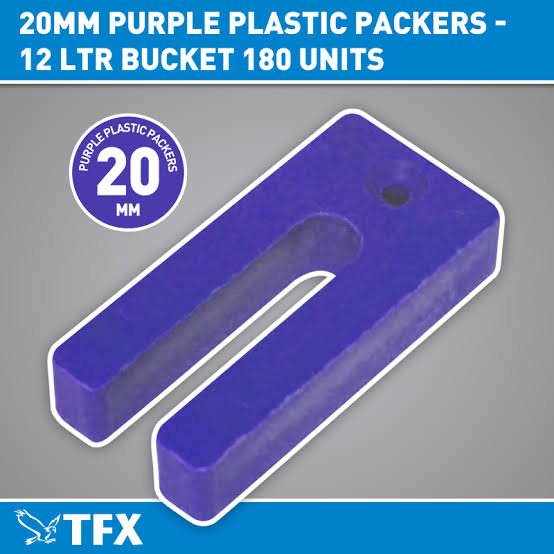
Plastic packers are specially designed plastic pieces used to fill gaps, provide support, maintain spacing, or protect materials during installation and transportation. They are usually manufactured from durable plastic materials such as polypropylene (PP), polyethylene (PE), or other high-quality polymers.
The main purpose of a plastic packer is to create a controlled space between two surfaces or objects. For example, in construction, plastic packers help maintain accurate levels between materials, while in packaging, they prevent products from moving or getting damaged.
Plastic packers come in different shapes, sizes, and thicknesses depending on their intended application. Some are flat sheets, while others are blocks, wedges, or specially designed profiles.
Types of Plastic Packers
Plastic packers are available in many varieties to meet different industry requirements. Some common types include:
1. Construction Plastic Packers
Construction plastic packers are commonly used in building and renovation projects. They help support materials, adjust levels, and maintain accurate positioning during installation.
These packers are often used for:
- Window and door installation
- Glass fitting
- Concrete work
- Structural alignment
- Flooring installation
They are designed to handle pressure and provide long-lasting support without breaking or deforming.
2. Glass Plastic Packers
Glass installation requires precision and safety. Glass plastic packers are placed between glass panels and frames to provide support and prevent direct contact between materials.
Benefits of glass packers include:
- Reducing stress on glass edges
- Preventing cracks and damage
- Improving alignment
- Increasing installation safety
They are widely used in residential buildings, offices, commercial projects, and automotive glass applications.
3. Tile Plastic Packers
Tile plastic packers are used during tile installation to maintain equal spacing between tiles. They help create clean and professional-looking tile patterns.
Tile packers are available in different thicknesses, allowing installers to achieve various grout line sizes.
Common sizes include:
- Small spacing packers for detailed designs
- Medium spacing packers for standard flooring
- Larger packers for decorative tile arrangements
They improve installation accuracy and reduce mistakes.
4. Packaging Plastic Packers
Packaging plastic packers are used to protect products during storage and transportation. They create separation between items and reduce the risk of scratches, impact, or movement.
Industries using packaging packers include:
- Electronics
- Furniture
- Automotive parts
- Glass products
- Household goods
These packers help companies deliver products safely while reducing damage costs.
5. Adjustable Plastic Packers
Adjustable plastics packers allow users to change the height or position of materials easily. They are especially useful when precise leveling is required.
They are commonly used in:
- Machinery installation
- Heavy equipment setup
- Construction projects
- Industrial applications
Their adjustable design provides flexibility and saves installation time.
Materials Used in Plastic Packers
The quality of a plastic packer depends greatly on the material used in manufacturing. Different plastics provide different advantages.
Polypropylene (PP)
Polypropylene is one of the most common materials used for plastics packers. It is lightweight, strong, and resistant to moisture and chemicals.
Advantages include:
- High durability
- Good flexibility
- Low maintenance
- Long service life
Polyethylene (PE)
Polyethylene is another popular plastic material known for its toughness and impact resistance.
It is suitable for applications where packers need to handle pressure and repeated use.
Recycled Plastic Materials
Many manufacturers now produce plastics packers using recycled materials to reduce environmental impact. These products offer a balance between performance and sustainability.
Benefits of Using Plastic Packers
Plastics packers offer several advantages compared with traditional materials such as wood or metal.
1. Lightweight Design
One of the biggest advantages of plastics packers is their lightweight nature. They are easy to transport, store, and install without requiring heavy equipment.
2. Moisture Resistance
Unlike wooden packers, plastics packers do not absorb water. This makes them suitable for areas exposed to humidity, rain, or moisture.
3. Chemical Resistance
Plastics packers can resist many chemicals, making them useful in industrial environments where exposure to different substances is possible.
4. Cost-Effective Solution
Plastics packers are affordable compared with many alternative materials. Their durability also helps reduce replacement costs.
5. Easy Installation
Most plastics packers are designed for quick and simple installation. Workers can easily place, remove, or adjust them when needed
6. Long-Term Durability
High-quality plastics packers maintain their shape and strength over time. They do not rust, rot, or corrode like some other materials.
Common Applications of Plastic Packers
Plastics packers are used across many industries due to their versatility.
Construction Industry
The construction sector is one of the largest users of plastics packers. They help with accurate installation of:
- Windows
- Doors
- Glass panels
- Flooring materials
- Structural components
They improve precision and help ensure better-quality results.
Manufacturing Industry
Manufacturers use plastics packers to position components correctly during production. They help maintain consistency and reduce errors.
Automotive Industry
Plastics packers are used in vehicle manufacturing and repair processes. They help protect parts and maintain proper spacing between components.
Furniture Industry
Furniture manufacturers use plastics packers to protect surfaces and prevent damage during transportation and assembly.
Electronics Industry
Electronic products often require protective packaging. Plastics packers help prevent movement and impact damage during shipping.
How to Choose the Right Plastic Packers
Selecting the correct plastic packer depends on the specific application. Consider the following factors:
1. Purpose of Use
First, determine why you need the packer. Construction, packaging, and industrial applications may require different designs.
2. Size and Thickness
The size of the gap or support requirement determines the correct packer thickness. Using the wrong size may affect stability and performance.
3. Load Capacity
For heavy-duty applications, choose plastics packers that can handle the required weight and pressure.
4. Material Quality
High-quality plastic provides better durability and performance. Always select packers made from reliable materials.
5. Environmental Conditions
Consider where the packers will be used. Outdoor applications may require UV-resistant and weather-resistant options.
Plastic Packers vs Traditional Packers
Traditional packers made from wood or metal have been used for many years, but plastics packers offer several improvements.
Plastic Packers Advantages:
- Resistant to moisture
- Lightweight
- Easy to install
- Rust-free
- Durable
- Affordable
Wooden Packers Disadvantages:
- Can absorb water
- May rot over time
- Require more maintenance
Metal Packers Disadvantages:
- Can corrode
- Heavier
- More expensive in some applications
For many modern projects, plastic packeres provide a more practical and efficient solution.
Environmental Considerations of Plastic Packers
Plastic waste is a global concern, and manufacturers are focusing on more sustainable production methods. Many companies now use recyclable plastics and improved manufacturing techniques to reduce environmental impact.
Proper recycling and responsible disposal can help minimize the environmental effects of plastic products.
Choosing reusable or recyclable plastic packerse is one way industries can improve sustainability while maintaining performance.
Future Demand for Plastic Packers
The market for plastic packerse is expected to continue growing as industries focus on faster installation methods, improved product protection, and cost savings.
Advancements in plastic technology are helping manufacturers create stronger, lighter, and more environmentally friendly packers. Future designs may include improved recycled materials, customized shapes, and smart solutions for specialized industries.
Conclusion
Plastic packers are essential components that provide support, spacing, protection, and alignment across many industries. Their lightweight structure, durability, moisture resistance, and affordability make them a preferred choice for construction, packaging, manufacturing, and other applications.
Whether used for installing glass, supporting construction materials, protecting products during transportation, or improving manufacturing processes, plastic packerse offer a simple yet effective solution.
Choosing the right type, size, and material ensures better performance and longer-lasting results. As industries continue to demand efficient and sustainable solutions, plastic packerse will remain an important product in modern applications.
About the Author