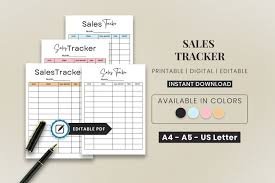
Sales Tracker
A sales tracker is a tool or system that helps businesses monitor sales performance, customer interactions, revenue, targets, and team productivity. It provides clear insights into how your business is performing and allows you to identify strengths and weaknesses quickly.
This article will explain everything you need to know about sales trackers, including their benefits, features, importance, and how they help businesses grow.
What Is a Sales Tracker?
A sales tracker is a software tool, spreadsheet, or digital system designed to record and analyze sales-related activities. It allows businesses to monitor sales progress in real time and manage customer data efficiently.
Sales trackers are commonly used by:
- Sales teams
- Retail businesses
- E-commerce companies
- Freelancers
- Marketing agencies
- Service providers
- Startups and enterprises
The main goal of a sales tracker is to improve organization and provide accurate information about sales performance.
Why Businesses Need a Sales Tracker
Without proper tracking, businesses may lose important customer information, miss sales opportunities, or struggle to achieve revenue goals. A sales tracker helps prevent these problems.
Here are some major reasons businesses use sales trackers:
Better Sales Organization
A sales tracker keeps all sales records in one place. Instead of searching through emails, notebooks, or multiple files, teams can easily access customer details, invoices, and sales reports.
Improved Productivity
Sales representatives can focus more on selling instead of manual data management. Automation features save time and reduce repetitive tasks.
Accurate Performance Monitoring
Managers can monitor sales numbers, employee performance, and revenue growth in real time. This helps businesses make informed decisions.
Enhanced Customer Relationships
Sales trackers store customer communication history, making it easier to provide personalized service and follow up with leads.
Better Forecasting
A sales tracker helps businesses predict future sales trends based on past performance. Accurate forecasting improves budgeting and planning.
Key Features of a Sales Tracker
Modern sales trackers include various features designed to simplify business operations.
Sales Pipeline Management
This feature allows businesses to track leads from the first interaction to the final sale. It helps teams understand where customers are in the buying process.
Customer Relationship Management
Many sales trackers include CRM capabilities that store customer information, communication history, and purchase records.
Real-Time Reporting
Businesses can generate reports instantly to monitor sales growth, revenue, and team performance.
Goal Tracking
Sales trackers help teams set targets and monitor progress toward monthly or yearly goals.
Automated Reminders
Automated alerts ensure sales representatives never miss follow-up calls, meetings, or deadlines.
Data Visualization
Charts and graphs make it easier to understand sales patterns and trends.
Mobile Accessibility
Cloud-based sales trackers allow users to access data from smartphones, tablets, or laptops from anywhere.
Benefits of Using a Sales Tracker
A sales tracker offers several advantages for businesses of all sizes.
Increased Revenue
By tracking leads effectively and improving customer follow-ups, businesses can close more deals and increase revenue.
Time Savings
Automation reduces manual work and allows teams to spend more time focusing on sales strategies.
Better Decision-Making
Sales data provides valuable insights that help businesses identify successful strategies and areas that need improvement.
Improved Team Collaboration
Sales teams can share information easily, ensuring everyone stays updated on customer interactions and sales progress.
Reduced Errors
Manual data entry often leads to mistakes. A sales tracker minimizes errors through automation and organized data management.
Enhanced Customer Experience
Quick access to customer information allows businesses to provide faster and more personalized support.
Types of Sales Trackers
Different businesses require different types of sales tracking systems.
Spreadsheet-Based Sales Trackers
Many small businesses use Excel or Google Sheets to track sales. These are affordable and simple but may lack advanced automation.
CRM-Based Sales Trackers
Customer Relationship Management software includes advanced tracking tools for managing leads, customer interactions, and sales performance.
Cloud-Based Sales Trackers
Cloud systems allow teams to access sales data from anywhere. They are ideal for remote teams and growing businesses.
Industry-Specific Sales Trackers
Some sales trackers are designed specifically for industries like retail, healthcare, real estate, or e-commerce.
How a Sales Tracker Improves Sales Performance
Sales trackers play a major role in improving sales efficiency and business growth.
Better Lead Management
Businesses can prioritize high-quality leads and focus on customers most likely to make purchases.
Faster Follow-Ups
Automated reminders ensure sales representatives contact customers at the right time.
Performance Analysis
Managers can evaluate employee performance and identify top-performing sales strategies.
Increased Accountability
Sales trackers make it easier to monitor responsibilities and track individual progress.
Smarter Marketing Decisions
Sales data helps marketing teams understand customer behavior and create targeted campaigns.
Important Metrics Tracked in a Sales Tracker
A good sales tracker monitors key performance indicators that help businesses evaluate success.
Total Revenue
Tracks the amount of income generated over a specific period.
Conversion Rate
Measures how many leads become paying customers.
Sales Growth
Shows whether business revenue is increasing or decreasing.
Customer Retention
Tracks how many customers continue purchasing from the business.
Average Deal Size
Measures the average value of each sale.
Sales Cycle Length
Shows how long it takes to convert a lead into a customer.
How to Choose the Best Sales Tracker
Choosing the right sales tracker depends on business needs and goals.
Identify Your Business Requirements
Determine whether you need basic tracking or advanced CRM features.
Consider Ease of Use
Choose software that is simple and user-friendly.
Look for Automation Features
Automation saves time and improves efficiency.
Check Reporting Capabilities
A good sales tracker should provide detailed reports and analytics.
Ensure Mobile Compatibility
Mobile access is essential for modern businesses and remote sales teams.
Compare Pricing
Select a solution that fits your budget while offering necessary features.
Common Challenges Without a Sales Tracker
Businesses that do not use a sales tracker often face several issues.
Lost Customer Data
Important customer information may become disorganized or misplaced.
Missed Sales Opportunities
Without proper tracking, businesses may forget to follow up with potential customers.
Poor Communication
Sales teams may struggle to share updates and collaborate effectively.
Inaccurate Reporting
Manual reporting can lead to errors and unreliable data.
Reduced Productivity
Employees spend more time on administrative tasks instead of selling.
Best Practices for Using a Sales Tracker
To get the best results, businesses should follow these best practices.
Update Data Regularly
Ensure all customer interactions and sales activities are recorded accurately.
Train Your Team
Provide proper training so employees understand how to use the system effectively.
Set Clear Goals
Define sales targets and monitor progress consistently.
Analyze Reports Frequently
Regular analysis helps identify trends and improve strategies.
Automate Repetitive Tasks
Use automation for reminders, follow-ups, and reporting whenever possible.
Future of Sales Tracking Technology
Technology continues to improve sales tracking systems.
Artificial Intelligence Integration
AI-powered sales trackers can predict customer behavior and recommend sales strategies.
Advanced Automation
Automation tools are becoming smarter and more efficient.
Improved Mobile Features
Mobile-friendly platforms allow teams to work from anywhere.
Data-Driven Decision Making
Businesses increasingly rely on analytics and real-time insights to improve performance.
Better Customer Personalization
Future sales trackers will offer deeper customer insights for personalized experiences.
Sales Tracker for Small Businesses
Small businesses can benefit greatly from using a sales tracker. Even a simple system helps owners organize customer information, monitor sales, and improve business planning.
Affordable cloud-based solutions make sales tracking accessible for startups and entrepreneurs. Small businesses can use these tools to compete more effectively in the market.
Sales Tracker for E-Commerce Businesses
Online businesses generate large amounts of sales data daily. A sales tracker helps e-commerce companies monitor orders, customer behavior, product performance, and revenue trends.
With accurate tracking, online stores can optimize inventory, improve customer service, and increase conversions.
Conclusion
A sales tracker is an essential tool for businesses that want to improve efficiency, increase revenue, and build stronger customer relationships. It simplifies sales management by organizing data, automating tasks, and providing valuable insights.
Whether you are running a small business, managing a large sales team, or operating an online store, a sales tracker can help you stay organized and make better business decisions.
By choosing the right sales tracking system and using it effectively, businesses can improve productivity, close more deals, and achieve long-term success.
Investing in a reliable sales tracker is not just about monitoring numbers. It is about understanding customers, improving strategies, and creating sustainable business growth in an increasingly competitive marketplace.
About the Author