Hindu Symbols
Each Hindu symbol carries a unique meaning and represents different aspects of life, creation, protection, prosperity, knowledge, and enlightenment. Whether it is the sacred Om, the Swastika, the Lotus, or the Trishul, these symbols have been revered for thousands of years and continue to inspire millions of people worldwide.
In this article, we will explore the most important Hindu symbols, their meanings, historical significance, and their role in Hindu culture and spirituality.
What Are Hindu Symbols?
Hindu symbols are visual representations of spiritual concepts, divine powers, and philosophical teachings found in Hinduism. These symbols act as reminders of sacred principles and help devotees focus their minds during prayer, meditation, and worship.
Unlike ordinary signs, Hindu symbols often carry multiple layers of meaning. They may represent cosmic forces, moral values, deities, or universal truths. Many of them have evolved over centuries and remain deeply connected to Hindu traditions.
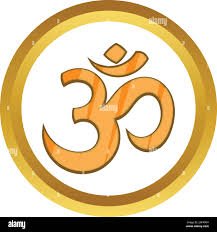
Om (ॐ) – The Most Sacred Hindu Symbol
The symbol Om, also written as Aum, is considered the most sacred symbol in Hinduism. It is believed to be the primordial sound from which the universe originated.
Meaning of Om
Om consists of three sounds:
- A – Represents creation
- U – Represents preservation
- M – Represents destruction or transformation
These three sounds symbolize the Hindu Trinity:
- Brahma – The Creator
- Vishnu – The Preserver
- Shiva – The Destroyer
Spiritual Importance
Om is commonly chanted during meditation, yoga, and religious ceremonies. It is believed to calm the mind, increase concentration, and connect individuals with divine consciousness.
The symbol also represents the unity of body, mind, and spirit, making it one of the most powerful spiritual symbols in the world.
Swastika – Symbol of Good Fortune
The Swastika is one of the oldest and most respected symbols in Hinduism. The word “Swastika” comes from Sanskrit and means “well-being” or “good fortune.”
Meaning of the Swastika
The traditional Hindu Swastika has four arms that symbolize:
- Prosperity
- Success
- Harmony
- Spiritual growth
The four arms may also represent:
- Four Vedas
- Four directions
- Four stages of life
- Four goals of human existence
Religious Use
The Swastika is often drawn at the entrance of homes, temples, and during religious ceremonies to invite blessings and positive energy.
It is important to note that the Hindu Swastika is an ancient spiritual symbol with positive meanings and should not be confused with its misuse in modern history.
Lotus Flower – Symbol of Purity and Enlightenment
The Lotus is one of the most beautiful and meaningful symbols in Hinduism.
Symbolic Meaning
The Lotus grows in muddy water but blooms into a beautiful flower untouched by impurities. This represents:
- Spiritual purity
- Personal growth
- Wisdom
- Enlightenment
Connection with Hindu Deities
Many Hindu gods and goddesses are depicted sitting or standing on a lotus flower, including:
- Goddess Lakshmi
- Goddess Saraswati
- Lord Brahma
The lotus teaches that individuals can rise above challenges and achieve spiritual perfection despite difficult circumstances.
Trishul – The Sacred Trident of Lord Shiva
The Trishul is the three-pronged trident associated with Lord Shiva.
Meaning of the Three Prongs
The three points of the Trishul symbolize:
- Creation
- Preservation
- Destruction
They also represent:
- Past
- Present
- Future
Or:
- Mind
- Body
- Spirit
Spiritual Significance
The Trishul signifies the destruction of ignorance and negative forces. It represents divine power and the ability to maintain balance in the universe.
Devotees often view the Trishul as a symbol of strength, protection, and spiritual authority.
Tilak – Mark of Spiritual Identity
The Tilak is a sacred mark worn on the forehead by many Hindus.
Purpose of the Tilak
The Tilak is applied during:
- Worship
- Religious ceremonies
- Festivals
- Daily prayers
Symbolic Meaning
The area between the eyebrows is believed to be the center of spiritual awareness, often called the “third eye.”
The Tilak represents:
- Devotion
- Spiritual focus
- Divine blessings
- Religious identity
Different Hindu traditions use different styles and colors of Tilak.
Shankha – The Sacred Conch Shell
The Shankha, or conch shell, is an important symbol in Hinduism and is closely associated with Lord Vishnu.
Significance of the Shankha
The sound produced by the conch is believed to:
- Purify the environment
- Remove negative energies
- Announce the beginning of sacred rituals
Mythological Importance
Ancient Hindu scriptures describe the conch shell as a symbol of divine victory and righteousness.
The Shankha is frequently used during temple worship and religious festivals.
Kalash – Symbol of Abundance and Prosperity
The Kalash is a sacred pot filled with water and decorated with mango leaves and a coconut.
Spiritual Meaning
The Kalash symbolizes:
- Fertility
- Prosperity
- Purity
- Divine presence
Religious Use
It is commonly used during:
- Weddings
- Housewarming ceremonies
- Festivals
- Temple rituals
The Kalash is considered a vessel of positive energy and divine blessings.
Sri Yantra – Symbol of Cosmic Energy
The Sri Yantra is one of the most sacred geometric symbols in Hindu spirituality.
Structure of the Sri Yantra
It consists of interconnected triangles arranged in a precise geometric pattern.
Meaning
The Sri Yantra symbolizes:
- The universe
- Divine feminine energy
- Spiritual awakening
- Prosperity
Many practitioners use the Sri Yantra during meditation to enhance concentration and inner peace.
Nandi – Symbol of Devotion and Strength
Nandi is the sacred bull of Lord Shiva and holds a special place in Hindu symbolism.
Meaning of Nandi
Nandi represents:
- Loyalty
- Faith
- Strength
- Devotion
Religious Importance
Statues of Nandi are commonly placed facing Shiva temples. Devotees often offer prayers to Nandi before worshipping Lord Shiva.
The symbol teaches dedication and unwavering faith in the divine.
Peepal Tree – Sacred Symbol of Life
The Peepal tree is considered holy in Hinduism.
Symbolic Significance
The tree represents:
- Eternal life
- Wisdom
- Spiritual growth
- Divine protection
Religious Beliefs
Many Hindus believe that gods and divine energies reside within the Peepal tree. It is often worshipped and protected as a sacred symbol of nature and spirituality.
Cow – Symbol of Compassion and Motherhood
The cow holds a highly respected position in Hindu culture.
Why Is the Cow Sacred?
The cow symbolizes:
- Motherhood
- Compassion
- Generosity
- Non-violence
Cultural Importance
Because cows provide milk and support human life, they are regarded as symbols of selfless giving and nurturing care.
Protecting cows is considered a virtuous act in many Hindu communities.
Chakra – Symbol of Cosmic Order
The Chakra, or wheel, is another significant Hindu symbol.
Meaning of the Chakra
The wheel represents:
- Time
- Cosmic order
- Dharma (righteousness)
- Continuous movement of life
Spiritual Significance
The Chakra reminds individuals to follow the path of truth and fulfill their responsibilities with integrity and discipline.
Different forms of the Chakra appear in Hindu scriptures, temple architecture, and religious artwork.
Importance of Hindu Symbols in Daily Life
Hindu symbols are not limited to religious texts or temple walls. They are deeply integrated into everyday life.
Common Uses
People use Hindu symbols in:
- Home decoration
- Religious ceremonies
- Jewelry
- Art and architecture
- Meditation practices
- Festival celebrations
These symbols serve as constant reminders of spiritual values and moral principles.
Educational Role
Hindu symbols also help teach important concepts such as:
- Respect
- Compassion
- Wisdom
- Self-discipline
- Devotion
Through these symbols, complex philosophical ideas become easier to understand and remember.
Hindu Symbols and Modern Society
Today, Hindu symbols continue to hold great relevance across the world. With the growing popularity of yoga, meditation, and spiritual wellness, symbols like Om and the Lotus have gained international recognition.
Many people use these symbols as sources of inspiration, mindfulness, and personal growth. However, understanding their original meanings helps preserve their cultural and religious significance.
As Hindu communities spread across different countries, these symbols continue to strengthen cultural identity and spiritual connection among future generations.
Conclusion
Hindu symbols are powerful expressions of faith, wisdom, and spiritual understanding. Each symbol carries profound meanings that reflect the core teachings of Hinduism. From the sacred Om and the auspicious Swastika to the Lotus, Trishul, and Sri Yantra, these symbols guide devotees toward inner peace, righteousness, and enlightenment.
They represent not only religious beliefs but also universal values such as purity, compassion, knowledge, strength, and harmony. By learning about Hindu symbols and their meanings, we gain a deeper appreciation of Hindu culture and the timeless spiritual wisdom it offers.
Whether used in worship, meditation, art, or daily life, Hindu symbols continue to inspire millions of people and remain an essential part of one of the world’s most enduring spiritual traditions.
About the Author