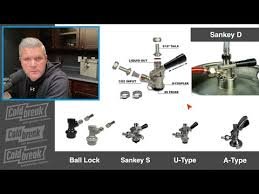
Keg Coupler
This complete guide explains everything you need to know about keg couplers, including how they work, the different types, how to install them, cleaning tips, troubleshooting advice, and how to choose the best one for your setup.
What Is a Keg Coupler?
A keg coupler is a device that connects the beer line and gas line to a keg. It allows carbon dioxide or mixed gas to enter the keg while also enabling beer to flow out through the tap system.
In simple words, the coupler acts like a bridge between the keg and the dispensing system. Without it, beer cannot travel from the keg to the faucet.
When the coupler is attached correctly, gas pressure pushes the beer upward through the spear inside the keg. The beer then moves through the beer line and finally pours from the tap.
Keg couplers are commonly used in:
- Bars and pubs
- Restaurants
- Breweries
- Kegerators
- Home draft beer systems
- Event beverage stations
Why a Keg Coupler Is Important
A high-quality keg coupler ensures smooth beer flow, proper pressure, and fresh taste. Using the correct coupler can prevent many common draft beer problems.
Here are some major benefits of using the right keg coupler:
Maintains Beer Freshness
A properly sealed coupler keeps oxygen out of the keg. This helps preserve the flavor and carbonation of the beer.
Reduces Foam Problems
Foamy beer is often caused by pressure issues or incorrect coupler installation. A good coupler helps maintain stable pressure.
Provides Safe Operation
Keg systems operate under pressure. Reliable couplers help ensure safe and leak-free operation.
Improves Pour Quality
A correctly functioning coupler allows consistent beer flow for smooth and professional pours.
Works With Different Beer Brands
Different beers require different coupler styles. Choosing the proper coupler ensures compatibility with specific keg types.
How Does a Keg Coupler Work?
Understanding how a keg coupler works makes it easier to install and maintain your draft system.
Here is the basic process:
- The coupler attaches securely to the keg valve.
- The gas line connects to the gas inlet on the coupler.
- The beer line connects to the beer outlet.
- CO2 pressure enters the keg.
- Pressure forces beer upward through the keg spear.
- Beer travels through the beer line.
- Beer pours from the faucet.
Most couplers include:
- Gas inlet
- Beer outlet
- Handle or lever
- Probe mechanism
- Safety valve
- Internal seals
When the handle is locked down, the coupler activates the keg valve and allows beer flow.
Common Types of Keg Couplers
One of the most important things to know is that keg couplers are not universal. Different keg manufacturers use different valve systems.
Below are the most common types of keg couplers.
D System Keg Coupler
The D system is the most common keg coupler in the United States. It is often called the American Sankey coupler.
It is compatible with many popular domestic beer brands.
Common Uses
- American lagers
- Craft beer kegs
- Many domestic breweries
Features
- Easy to install
- Widely available
- Reliable performance
Because of its popularity, the D coupler is often the first choice for restaurants and bars.
S System Keg Coupler
The S system coupler is similar to the D system but has a slightly longer probe.
It is commonly used for European beers.
Common Uses
- Imported lagers
- European beer brands
- Some specialty beers
Features
- Maintains strong carbonation
- Works well with high-pressure beer systems
A System Keg Coupler
The A system is often known as the German slider coupler.
It slides into place rather than twisting like the D system.
Common Uses
- German beers
- Certain European breweries
Features
- Compact design
- Secure fit
- Popular in imported beer systems
U System Keg Coupler
The U system is commonly used for specific European beer brands.
Features
- Unique valve design
- Strong locking mechanism
- Designed for select imported kegs
G System Keg Coupler
The G system is another European-style coupler.
Common Uses
- UK beers
- Cider kegs
- Some imported beverages
Features
- Reliable dispensing
- Durable construction
- Easy cleaning access
Choosing the Right Keg Coupler
Selecting the right keg coupler depends on several factors.
Identify Your Beer Brand
The first step is checking which coupler type your keg requires. Breweries often specify the correct coupler system.
Consider Your Draft System
Make sure the coupler matches your gas and beer line setup.
Check Material Quality
High-quality stainless steel couplers are more durable and resistant to corrosion.
Look for Easy Maintenance
Choose a coupler that can be cleaned and disassembled easily.
Think About Usage Frequency
Commercial bars may need heavy-duty couplers, while home users may prefer simple and affordable models.
How to Install a Keg Coupler
Installing a keg coupler correctly is important for proper beer dispensing.
Follow these steps:
Step 1: Turn Off the Gas
Always turn off the CO2 tank before connecting the coupler.
Step 2: Align the Coupler
Place the coupler on the keg valve.
Step 3: Twist or Slide Into Position
Depending on the coupler type, twist or slide it into the locked position.
Step 4: Push Down the Handle
Lock the handle downward to engage the keg valve.
Step 5: Turn On the Gas
Open the CO2 tank slowly.
Step 6: Test the Beer Flow
Pour a small amount of beer to ensure everything works correctly.
How to Clean a Keg Coupler
Cleaning is essential for maintaining beer quality and hygiene.
Dirty couplers can cause bad taste, bacteria growth, and poor performance.
Cleaning Steps
- Disconnect the coupler from the keg.
- Rinse with warm water.
- Use approved beer line cleaner.
- Scrub removable parts.
- Rinse thoroughly.
- Allow all parts to dry.
- Reassemble carefully.
Commercial draft systems should be cleaned regularly to maintain health standards.
Common Keg Coupler Problems and Solutions
Even high-quality couplers can experience problems over time.
Here are some common issues and solutions.
Excess Foam
Possible Causes
- Incorrect pressure
- Warm beer
- Dirty coupler
- Loose connection
Solution
Check pressure settings, clean the system, and ensure proper installation.
Beer Not Pouring
Possible Causes
- Empty keg
- Blocked line
- Incorrect coupler type
- Gas supply problem
Solution
Inspect the keg, lines, and gas tank.
Gas Leaks
Possible Causes
- Worn seals
- Loose fittings
- Damaged coupler
Solution
Replace damaged seals and tighten all connections.
Flat Beer
Possible Causes
- Low CO2 pressure
- Gas leak
- Improper storage
Solution
Adjust pressure and inspect the system for leaks.
Keg Coupler Maintenance Tips
Proper maintenance extends the life of your keg coupler and improves beer quality.
Clean Regularly
Routine cleaning prevents buildup and contamination.
Inspect Seals
Check O-rings and seals for wear.
Store Properly
Keep couplers in a dry and clean environment.
Replace Damaged Parts
Do not continue using cracked or leaking components.
Use Food-Grade Lubricants
Lubricate moving parts when necessary.
Stainless Steel vs Chrome-Plated Keg Couplers
Keg couplers are commonly available in stainless steel or chrome-plated brass.
Stainless Steel Couplers
Advantages
- Corrosion resistant
- Long-lasting
- Easier to sanitize
- Ideal for commercial use
Disadvantages
- Higher cost
Chrome-Plated Couplers
Advantages
- More affordable
- Suitable for light use
Disadvantages
- Less durable over time
- May corrode if plating wears off
For heavy or long-term use, stainless steel is usually the better investment.
Keg Couplers for Home Kegerators
Home kegerators have become very popular among beer enthusiasts. A reliable keg couplers is essential for smooth operation.
When buying a coupler for home use, look for:
- Easy installation
- Compact size
- Durable materials
- Compatibility with your favorite beer brands
- Affordable maintenance
Many home users choose the D system because it works with a wide variety of domestic beers.
Commercial Keg Coupler Systems
Bars and restaurants often use advanced draft systems with multiple couplers.
Commercial setups require:
- Heavy-duty construction
- Reliable pressure control
- Frequent cleaning
- Quick replacement options
- High-volume dispensing capability
Commercial operators usually keep spare couplers available to reduce downtime.
Safety Tips for Using Keg Couplers
Working with pressurized systems requires proper safety precautions.
Always Turn Off Gas Before Removal
Disconnecting a coupler under pressure can be dangerous.
Handle CO2 Tanks Carefully
Secure gas cylinders properly.
Inspect for Damage
Never use cracked or damaged couplers.
Avoid Over-Tightening
Excess force can damage fittings and seals.
Follow Manufacturer Instructions
Always use equipment according to guidelines.
Future Trends in Keg Coupler Technology
Draft beer systems continue to evolve with modern technology.
Some new developments include:
- Improved leak prevention
- Faster cleaning systems
- Smart pressure monitoring
- Enhanced stainless steel materials
- Eco-friendly manufacturing
These improvements help bars and home users achieve better beer quality and system efficiency.
Final Thoughts
A keg coupler may seem like a small component, but it plays a major role in every draft beer system. From maintaining carbonation to ensuring smooth beer flow, the right coupler helps deliver the perfect pour.
Understanding the different coupler types, installation methods, and maintenance practices can save time, reduce waste, and improve beer quality. Whether you are operating a commercial bar or setting up a home kegerator, investing in the correct keg couplers is essential.
By choosing a durable coupler, cleaning it regularly, and using proper pressure settings, you can enjoy reliable performance and fresh draft beer for years to come.
If you want the best draft beer experience, selecting the right keg couplers is one of the smartest decisions you can make.
About the Author