ASHLAND
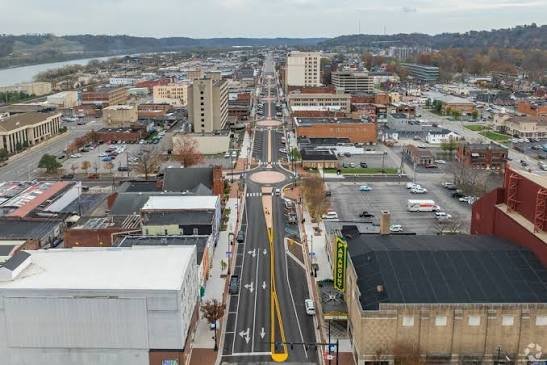
Between the historic brick facades that have stood since the late 19th century, a new energy is pulsing. Independent coffee shops, boutique tech startups, and artisanal eateries are setting up shop next to generational hardware stores and family-owned pharmacies.
This is the story of Ashland’s quiet renaissance—a deep dive into how a community manages to preserve its rich heritage while boldly embracing the economic, cultural, and social demands of the 21st century.
Part I: The Ghost of Industry and the Blueprint for Recovery
To understand where Ashland is going, one must understand where it has been. Like many cities in the Rust Belt, the late 20th century brought a wave of economic anxiety. The decline of heavy manufacturing left large, empty footprints where bustling factories once stood. For a time, the fear was palpable: would Ashland become another cautionary tale of forgotten Americana?
“There was a moment in the late ’90s and early 2000s where people genuinely worried about the brain drain,” says Arthur Pendelton, 74, a retired machinist who has lived in Ashland his entire life. “Our kids went off to college in Columbus, Cleveland, or Chicago, and they didn’t come back. There was nothing here for them but memories.”
But Ashland’s leadership and its citizens refused to accept stagnation. The turnaround didn’t happen overnight, and it wasn’t the result of a single corporate savior. Instead, it was sparked by a series of deliberate, grassroots decisions.
The Power of Public-Private Partnerships
The economic revival of the region owes much to the collaboration between the City of Ashland, the Ashland County Community Foundation, and forward-thinking local entrepreneurs. By introducing tax incentives for historical preservation, the city made it viable for investors to buy old, dilapidated structures and convert them into functional, modern spaces.
According to economic development reports, over $45 million has been funneled into downtown revitalization projects over the last decade alone. This funding didn’t just paint over the cracks; it modernized the infrastructure, upgraded high-speed broadband access, and made the downtown area walkable and highly attractive to a new demographic of business owners.
Part II: The “Ashland University Effect”
A major catalyst in Ashland’s modern identity is Ashland University (AU). While many small college towns suffer from a distinct disconnect between the “gown” (the university) and the “town” (the local community), Ashland has worked tirelessly to bridge that gap.
+-----------------------------------------------------------------+
|               THE TOWN-GOWN ECONOMIC ENGINE                     |
+-----------------------------------------------------------------+
| Student Spending      | Contributes an estimated $12M+ annually |
|                       | to local retail and dining.             |
+-----------------------+-----------------------------------------+
| Entrepreneurship      | AU’s business incubator programs pool   |
|                       | talent directly into local startups.    |
+-----------------------+-----------------------------------------+
| Cultural Capital      | Theater, arts, and athletic events draw |
|                       | thousands of regional visitors yearly.  |
+-----------------------+-----------------------------------------+
Dr. Elizabeth Vance, a sociologist specializing in Midwestern demographics, notes that colleges are the lifeblood of rural survival. “When a university actively engages with its city, it creates a sustainable ecosystem. The students provide seasonal labor and consumer power, while the city offers a safe, welcoming environment that makes graduates want to stay, buy homes, and pay taxes.”
Retaining the Youth
The challenge, historically, was keeping that talent. Today, local initiatives like “Engage Ashland” match AU seniors with internships in local government, healthcare systems like University Hospitals Samaritan Medical Center, and thriving local firms. By the time these students graduate, they already have a professional footprint in the county.
Part III: The Modern Pioneers of Main Street
If infrastructure is the skeleton of Ashland’s revival, the small business owners are its soul. A stroll through the downtown district reveals an eclectic mix of old-school grit and new-school creativity.
Case Study: The Roasted Bean Co.
Take, for example, Marcus and Sarah Miller. In 2021, the young couple moved back to Ashland after a four-year stint in Seattle. They bought a vacant bakery building that had been boarded up since 2014 and transformed it into The Roasted Bean Co., a specialty coffee shop that doubles as a community co-working space.
“People told us we were crazy,” Marcus laughs, wiping down a espresso machine made of polished chrome. “They said, ‘Ashland is a diner-coffee town. Nobody is going to pay five dollars for a lavender oat-milk latte.’ But we believed in our hometown. We knew that people here appreciate quality and community, no matter what form it takes.”
Today, The Roasted Bean Co. is packed every morning. On any given Tuesday, you can find a local farmer in overalls sitting at a table next to a remote software developer working on a MacBook. It is a microcosm of the new Ashland: respectful of the past, but fully participating in the modern economy.
The Retail Renaissance
It isn’t just coffee. The retail landscape has adapted beautifully:
- The Vintage Page: An independent bookstore that hosts weekly poetry readings and children’s storytelling hours.
- Ashland Artisan Market: A cooperative space where over 40 local crafters, farmers, and artists sell everything from goat-milk soap to hand-carved wooden furniture.
- Heritage Apparel: A clothing boutique focusing on sustainably sourced, American-made goods.
These businesses don’t just sell products; they curate experiences. They offer something an Amazon algorithm simply cannot: a warm smile, a personal conversation, and a sense of belonging.
Part IV: Community, Culture, and the “Nice” Philosophy
You cannot write an article about Ashland without addressing its famous moniker: The World Headquarters of Nice People. To outsiders, it might sound like a cheesy marketing gimmick concocted by a tourism board. To locals, it is a code of conduct.
But what does “nice” mean in 2026?
“It means accountability,” says Clara Higgins, a volunteer coordinator at the Ashland County Food Bank. “Being nice isn’t just about waving at your neighbor or smiling at the grocery store. It means making sure nobody in our school district goes to bed hungry. It means looking after the elderly when a blizzard hits. It’s an active verb.”
Festivals and Keeping the Faith
This communal spirit is most visible during the city’s annual events. The Ashland County Fair remains one of the largest and most celebrated in the state of Ohio, drawing crowds from across the region to celebrate agricultural achievements, demolition derbies, and prize-winning livestock.
Simultaneously, newer events like the Main Street Music & Arts Festival highlight the town’s growing cultural diversity. These festivals act as a cultural bridge, bringing together long-standing rural traditions with contemporary creative expressions.
Part V: Navigating the Growing Pains
However, no renaissance is without its friction. As Ashland grows more attractive, it faces the same challenges plaguing many developing sub-urban and rural hubs across America: housing infrastructure and inflation.
The Housing Dilemma
With an influx of new residents attracted by the low crime rate, excellent school systems, and lower cost of living relative to major cities, property values in Ashland County have risen sharply. While this is excellent news for current homeowners looking to build equity, it presents a steep barrier to entry for first-time homebuyers and young families.
   ASHLAND COUNTY HOUSING TRENDS (REPRESENTATIVE MEDIUM DATA)

   Median Home Price:
   2016: $125,000  ████████████
   2021: $165,000  ████████████████
   2026: $215,000  █████████████████████

   Available Rental Inventory:
   Decreased by roughly 18% over the same 10-year period.
City Council meetings have increasingly become arenas for debate regarding zoning laws. Should the city allow large-scale apartment complexes to be built on the outskirts of town, or will that destroy the “small-town feel” that makes Ashland desirable in the first place? Balancing development with preservation is the tightrope Ashland’s administrators must walk over the next decade.
Balancing Identity
There is also the intangible fear of losing the town’s conservative, tight-knit identity. When a town modernizes, corporate chains inevitably take notice. The opening of major franchise restaurants and big-box retailers on the highway corridors brings convenience and jobs, but it also threatens to siphon money away from the independent shops downtown.
Conclusion: The Road Ahead
As the sun sets over Brookside Park, casting a golden hue over the baseball diamonds and the families enjoying an evening stroll, it becomes clear that Ashland is not a town stuck in the mud of nostalgia. Nor is it a town that has sold its soul for a quick dose of corporate modernization.
Ashland has mastered a rare art form: intentional evolution.
The factories of old may have changed their shapes, and the faces on Main Street may be younger and more diverse, but the underlying bedrock of the community remains rock-solid. It is a place where hard work is respected, where neighbors still take care of neighbors, and where the future is met not with fear, but with open arms and a practical plan.
The “World Headquarters of Nice People” is growing up, but it is keeping its heart exactly where it belongs.
About the Author