Island
Nikumaroro is a small, remote coral island in the Pacific Ocean that has captured worldwide attention because of its connection to one of history’s greatest aviation mysteries. Located in the central Pacific, this uninhabited island became famous after researchers suggested that it may have been the final resting place of American pilot Amelia Earhart. Her disappearance in 1937 during an attempt to fly around the world remains one of the most debated mysteries of the 20th century.
Beyond the Earhart mystery, Nikumaroro has a fascinating natural environment, a unique cultural history, and important ecological value. The island’s remote location, abandoned settlement, and mysterious past make it one of the most intriguing places in the Pacific Ocean.
Where Is Nikumaroro Located?
Nikumaroro is part of the Phoenix Islands group, which belongs to the island nation of Kiribati. It lies in the central Pacific Ocean, far away from major cities and transportation routes.
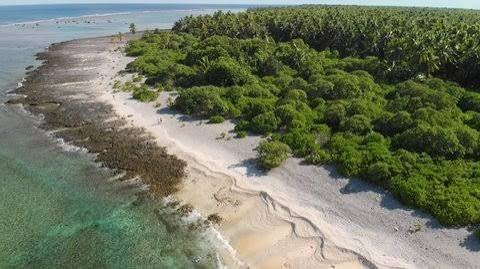
The island is a low-lying coral atoll surrounded by a beautiful lagoon and the open ocean. Like many Pacific islands, Nikumaroro was formed through coral growth around an ancient volcanic structure. Over thousands of years, coral reefs developed and created the narrow land area that exists today.
Because of its isolated position, reaching Nikumaroro is extremely difficult. The island has no permanent population, no airport, and very limited infrastructure. Its isolation has helped preserve its natural environment while also adding to its mystery.
The History of Nikumaroro
Before gaining worldwide attention, Nikumaroro had a long history connected to Pacific exploration and settlement. The island was originally known by several names, including Gardner Island. It was discovered and mapped by European explorers during the 19th century.
In the early 20th century, efforts were made to establish a settlement on the island. During the British colonial period, people from the Gilbert Islands were relocated to Nikumaroro as part of a planned agricultural community. The settlement was created in the late 1930s, with residents attempting to grow crops and build a new life on the island.
However, life on Nikumaroro was extremely challenging. The island had limited freshwater resources, harsh weather conditions, and poor agricultural opportunities. After several decades, the settlement was abandoned in the 1960s, and the remaining residents were relocated.
Today, old structures, coconut plantations, and other signs of human activity remain as reminders of the island’s short-lived community.
Nikumaroro and the Amelia Earhart Mystery
The biggest reason Nikumaroro became internationally famous is its possible connection to the disappearance of Amelia Earhart.
In July 1937, Earhart and her navigator, Fred Noonan, disappeared while attempting to fly across the Pacific during their around-the-world journey. Their aircraft, a Lockheed Electra 10E, vanished near Howland Island, and despite extensive search efforts, no confirmed wreckage or remains were found.
For decades, many theories have been proposed about what happened. One theory suggests that Earhart and Noonan may have missed Howland Island and landed on Nikumaroro, which was a possible nearby landing location.
Supporters of this theory point to several discoveries made on the island, including:
- Possible aircraft-related materials
- Human-made objects from the 1930s era
- Evidence suggesting temporary human activity
- Historical radio messages that some researchers believe may have been connected to Earhart’s plane
Organizations such as The International Group for Historic Aircraft Recovery have conducted research expeditions to Nikumaroro to investigate this possibility.
However, the mystery remains unresolved. No confirmed aircraft wreckage or remains belonging to Earhart have been discovered, and many historians continue to debate different explanations.
The Environment and Wildlife of Nikumaroro
Although small and isolated, Nikumaroro is home to a valuable ecosystem. The island’s coral reefs, beaches, and forests support many species of plants and animals.
The surrounding ocean contains diverse marine life, including:
- Coral reef fish
- Sea turtles
- Sharks
- Seabirds
- Other tropical marine species
The island is especially important for seabirds, which use remote Pacific islands as breeding areas. Its isolation protects many species from human disturbance.
Nikumaroro is also part of the Phoenix Islands Protected Area, one of the largest marine protected areas in the world. This conservation effort helps protect the ocean ecosystem and the biodiversity found around the Phoenix Islands.
Climate and Geography
Nikumaroro has a tropical climate, with warm temperatures throughout the year. Like many Pacific atolls, it is vulnerable to rising sea levels and climate change.
The island’s geography includes:
- A narrow coral land area
- A central lagoon
- Sandy beaches
- Coconut forests
- Coral reefs
Because the island is only a few meters above sea level in many places, even small changes in ocean conditions can have serious effects. Climate change poses a major threat to low-lying islands across the Pacific, including Nikumaroro.
The Abandoned Settlement of Nikumaroro
One of the most interesting features of Nikumaroro is the remains of its abandoned village. The settlement, known as the Gardner Island colony, once contained homes, roads, a church, and other buildings.
Although nature has reclaimed much of the area, explorers can still find traces of human occupation. The ruins provide important information about the challenges faced by people who attempted to live on isolated Pacific islands.
The abandoned settlement also adds to the island’s mysterious atmosphere. Walking through an empty village surrounded by jungle and ocean creates a strong sense of history and curiosity.
Scientific Research on Nikumaroro
Nikumaroro has attracted researchers from different fields, including archaeology, marine science, history, and aviation studies.
Archaeologists study objects left behind by former residents and possible evidence related to the Earhart investigation. Scientists examine the island’s ecosystem to understand how remote environments develop and change.
Research expeditions to Nikumaroro are difficult because of its distance from populated areas. Teams must bring their own supplies, equipment, and transportation. Despite these challenges, the island continues to provide valuable information about Pacific history and environmental conservation.
Why Nikumaroro Remains Important Today
Nikumaroro is more than just a location connected to a famous mystery. It represents the history, challenges, and beauty of remote Pacific islands.
The island is important because it offers lessons about:
- Human survival in isolated environments
- The history of Pacific migration
- Aviation mysteries and exploration
- Marine conservation
- The effects of climate change
Its connection to Amelia Earhart ensures continued public interest, but its ecological and historical value makes it significant even without the mystery.
Visiting Nikumaroro
Because Nikumaroro is remote and protected, tourism is extremely limited. There are no hotels, restaurants, or regular transportation services available.
Visitors who reach the island usually arrive as part of scientific or research expeditions. Anyone traveling there must carefully follow environmental guidelines to protect the fragile ecosystem.
The lack of modern development is part of what makes Nikumaroro special. Unlike many tourist destinations, the island remains largely untouched.
Conclusion
Nikumaroro is one of the most fascinating islands in the Pacific Ocean. Its combination of natural beauty, abandoned history, and connection to the disappearance of Amelia Earhart has made it a subject of worldwide interest.
Although the mystery surrounding Earhart’s final flight has not been completely solved, Nikumaroro continues to inspire researchers, historians, and explorers. The island reminds us of the power of discovery and the importance of protecting the world’s most remote environments.
Whether viewed as a place of mystery, a historical site, or a natural treasure, Nikumaroro remains an unforgettable island with a story unlike any other.
About the Author