Texas Wildflowers
diverse ecosystems, and stunning natural beauty. Among its greatest treasures are the colorful wildflowers that cover fields, roadsides, hills, and prairies throughout the year. From the iconic bluebonnet to bright Indian paintbrushes and golden sunflowers, Texas wildflowers create some of the most breathtaking scenery in the United States.
Every spring, millions of visitors travel across Texas to enjoy the spectacular wildflower season. These native plants are not only beautiful to look at but also play an important role in supporting wildlife, protecting the environment, and preserving the natural heritage of the state.
In this guide, we will explore the world of Texas wildflowers, including the best places to see them, popular species, blooming seasons, and tips for enjoying these natural wonders responsibly.
What Makes Texas Wildflowers Special?
Texas is one of the most biologically diverse states in the United States. Its large size and variety of landscapes create the perfect conditions for thousands of plant species. The state contains deserts, coastal plains, forests, grasslands, and rocky hills, each supporting different types of wildflowers.
Texas wildflowers are special because many of them are native plants that have adapted to the state’s unique climate. Some can survive extreme heat and drought, while others thrive in wetter areas. Their ability to grow naturally without much human assistance makes them an important part of Texas ecosystems.
These wildflowers provide food and shelter for bees, butterflies, birds, and other wildlife. They also help prevent soil erosion and contribute to healthier landscapes.
The Famous Texas Bluebonnet
When people think of Texas wildflowers, the first flower that often comes to mind is the bluebonnet. It is the official state flower of Texas and one of the most recognizable wildflowers in America.
Bluebonnets usually bloom between March and April, covering fields and highways with beautiful shades of blue and purple. Their unique shape and vibrant color make them a favorite subject for photographers and nature lovers.
There are several species of bluebonnets found in Texas, including:
- Texas bluebonnet
- Sandyland bluebonnet
- Big Bend bluebonnet
- Lupinus havardii
The best places to see large bluebonnet displays include central Texas areas such as Texas Hill Country, where rolling hills and open fields create perfect viewing locations.
Popular Texas Wildflower Species
Texas is home to hundreds of wildflower varieties. Each species adds its own color and character to the landscape.
1. Indian Paintbrush
Indian paintbrush is one of the most common companions of bluebonnets. These flowers have bright red, orange, or yellow blooms that create stunning color combinations when growing beside blue fields.
The flower gets its name because its colorful petals look like they have been dipped in paint. Indian paintbrush attracts hummingbirds and pollinators, making it an important part of the natural environment.
2. Black-Eyed Susan
Black-eyed Susan is a cheerful yellow flower with a dark center. It blooms during warmer months and can often be found in meadows and open grasslands.
These flowers are popular among gardeners because they are easy to grow and attract butterflies.
3. Texas Bluebell
Texas bluebells produce elegant purple and blue flowers and are often found in wetter areas. They are especially common in parts of eastern and central Texas.
Their delicate appearance makes them one of the most beautiful wildflowers in the state.
4. Winecup Flower
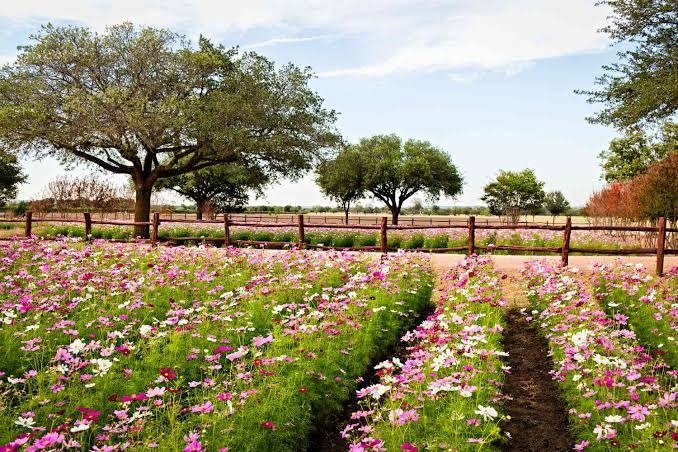
Winecup flowers are known for their deep pink or purple petals. They grow close to the ground and often spread across fields, creating colorful carpets during spring.
They are drought-resistant and well adapted to Texas weather conditions.
5. Sunflowers
Wild sunflowers bring bright yellow colors to Texas landscapes. They usually appear during summer and provide valuable seeds for birds and other animals.
Best Time to See Texas Wildflowers
The wildflower season in Texas depends on weather conditions, rainfall, and location. However, spring is generally considered the best time for viewing.
Spring (March to May)
Spring is the most popular wildflower season. During this time, bluebonnets, Indian paintbrushes, and many other flowers bloom across the state.
Central Texas usually experiences peak wildflower displays from late March through mid-April.
Summer (June to August)
Summer brings heat-resistant flowers such as sunflowers and black-eyed Susans. Although fewer flowers may be visible compared to spring, many areas still offer beautiful views.
Fall (September to November)
Fall wildflowers add warm colors to the landscape. Golden flowers, asters, and other late-season blooms can often be seen in prairies and natural areas.
Best Places to See Texas Wildflowers
Texas offers many amazing locations for wildflower viewing. Here are some of the top destinations:
Texas Hill Country
The Texas Hill Country is considered one of the best wildflower destinations in the state. Its scenic roads, limestone hills, and open fields create unforgettable views during spring.
Popular routes around areas such as Fredericksburg and Marble Falls are known for colorful wildflower displays.
Big Bend Region
The desert landscapes around Big Bend National Park offer a unique wildflower experience. Desert plants bloom after rainfall, creating surprising bursts of color across dry landscapes.
Visitors may see desert marigolds, bluebonnets, and other native species.
Ennis Bluebonnet Trails
Ennis is famous for its annual bluebonnet trails. The area features miles of mapped routes where visitors can enjoy some of the largest bluebonnet displays in Texas.
East Texas Piney Woods
The forests of East Texas provide a different wildflower environment. Wildflowers grow among trees, streams, and shaded areas, creating peaceful natural scenes.
Texas Wildflowers and Wildlife
Wildflowers are much more than attractive plants. They are essential for maintaining healthy ecosystems.
Bees rely on wildflowers for nectar and pollen. Butterflies use them as food sources and breeding habitats. Birds often depend on wildflower seeds for nutrition.
Without native wildflowers, many wildlife populations would struggle to survive. Protecting these plants helps maintain biodiversity and supports the balance of nature.
Tips for Photographing Texas Wildflowers
Wildflowers provide excellent opportunities for photography. To capture the best images, consider these tips:
Visit Early in the Day
Morning light creates soft, natural colors and reduces harsh shadows. Early visits also help avoid crowds at popular locations.
Check Weather Conditions
Wildflower growth depends heavily on rainfall. A wetter winter and early spring often lead to better blooms.
Use Different Angles
Photograph flowers from ground level to create dramatic images. Wide landscape shots can capture entire fields, while close-up photos highlight details.
Respect Nature
Avoid stepping on flowers or damaging plants while taking pictures. Staying on designated paths helps protect future blooms.
How to Grow Texas Wildflowers at Home
Many Texas residents grow native wildflowers in their gardens. Creating a wildflower area can provide beauty while supporting local wildlife.
To grow Texas wildflowers:
- Choose native seeds suitable for your region.
- Plant seeds during the recommended season.
- Select an area with proper sunlight.
- Avoid excessive watering and chemicals.
- Allow flowers to naturally produce seeds for future growth.
Native gardens require less maintenance because the plants are already adapted to local conditions.
Protecting Texas Wildflowers
Although Texas wildflowers are abundant, they face challenges from urban development, invasive plants, climate changes, and habitat loss.
People can help protect these natural treasures by:
- Planting native species
- Avoiding picking large amounts of wildflowers
- Supporting conservation programs
- Respecting protected areas
- Learning about local ecosystems
Small actions can make a big difference in preserving Texas landscapes for future generations.
Texas Wildflower Festivals
Several communities celebrate wildflower season with festivals and events. These gatherings often include guided tours, photography opportunities, local food, and educational activities.
One of the most well-known celebrations is the Bluebonnet Festival, which celebrates the state flower and attracts visitors every year.
These festivals help promote appreciation for native plants and encourage responsible tourism.
Why Texas Wildflowers Matter
Texas wildflowers represent more than natural beauty. They reflect the history, culture, and identity of the state. Generations of Texans have enjoyed these flowers along roadsides, farms, and open landscapes.
They remind people of the importance of protecting nature and preserving the connection between humans and the environment.
Whether you are a photographer, gardener, traveler, or simply someone who enjoys beautiful scenery, Texas wildflowers offer something special. Their colors, variety, and seasonal displays make every visit to the Texas landscape a memorable experience.
Final Thoughts
Texas wildflowers are among the most beautiful natural attractions in the state. From famous bluebonnets to colorful Indian paintbrushes and golden sunflowers, these native plants transform Texas landscapes into stunning works of art.
The best time to experience these flowers is usually during spring, but different species bloom throughout the year. By visiting responsibly, supporting conservation, and appreciating native plants, everyone can help protect these natural wonders.
Texas wildflowers are not just flowers—they are a symbol of the state’s beauty, wildlife, and natural heritage. Exploring them offers a chance to enjoy the outdoors and discover the incredible diversity that makes Texas unique.
About the Author