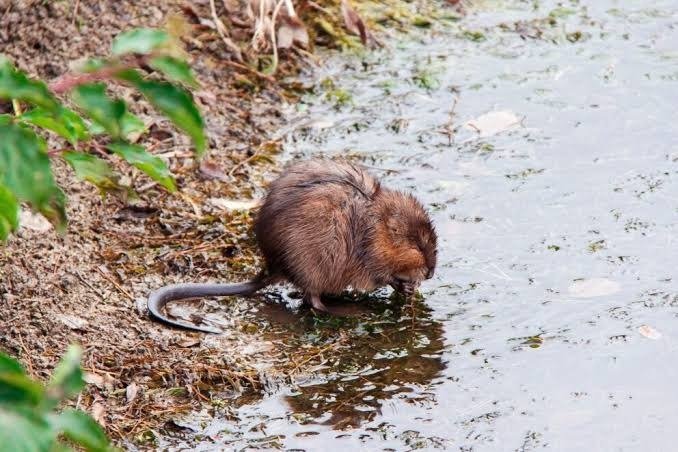
Muskrat
The muskrat is a fascinating semi-aquatic mammal that has adapted perfectly to life around rivers, ponds, lakes, marshes, and wetlands. Although its name suggests a connection with rats, the muskrat is not a true rat. It belongs to the rodent family and is more closely related to voles and other small rodents. Known for its swimming ability, unique lifestyle, and valuable role in wetland ecosystems, the muskrat has captured the interest of wildlife lovers, researchers, and nature enthusiasts around the world.
With its small body, thick fur, and long tail, the muskrat may look simple at first glance, but this animal has many interesting features. From building underwater homes to surviving harsh winters, the muskrat demonstrates remarkable skills that help it thrive in changing environments.
What Is a Muskrat?
A muskrat is a medium-sized rodent scientifically known as Ondatra zibethicus. It is native to North America but has also been introduced to parts of Europe, Asia, and South America. The animal gets its name from the musky odor produced by glands near its tail, which it uses for marking territory and communication.
Adult muskrats usually grow between 16 and 25 inches long, including their tail. Their bodies are covered with dense, waterproof fur that helps them stay warm while spending much of their time in water. Their tails are long, flattened, and covered with scales rather than fur, allowing them to move efficiently while swimming.
Despite their resemblance to rats, muskrats have several unique characteristics that separate them from common rodents. They are excellent swimmers, skilled builders, and important members of wetland habitats.
Physical Features of a Muskrat
Muskrats have several adaptations that make them well suited for an aquatic lifestyle. Their bodies are compact and rounded, helping them conserve heat in cold water. Their thick brown fur provides insulation, while their underfur traps air and keeps them warm.
One of the most noticeable features of a muskrat is its tail. Unlike a typical rat’s thin tail, the muskrat’s tail is flattened from side to side. This special design works like a paddle, helping the animal swim quickly and control its movements underwater.
Muskrats also have partially webbed back feet. These feet allow them to push through water efficiently. Their front feet are smaller and are mainly used for digging, holding food, and building shelters.
Their eyes, ears, and nose are positioned high on their head, allowing them to remain mostly underwater while still seeing and breathing. This adaptation helps them avoid predators while searching for food.
Where Do Muskrats Live?
Muskrats prefer wet environments with plenty of plants and slow-moving water. They can be found in:
- Marshes
- Ponds
- Lakes
- Rivers
- Streams
- Wetlands
- Irrigation canals
They are especially common in areas with abundant aquatic vegetation because plants provide both food and building materials.
A muskrat’s habitat usually includes shallow water with thick vegetation along the edges. These areas provide protection from predators and offer suitable locations for constructing homes.
Muskrat Homes and Shelter
One of the most impressive things about muskrats is their ability to build unique shelters. They usually create two types of homes: dome-shaped lodges and burrows.
Muskrat Lodges
In areas with shallow water, muskrats build dome-shaped houses using reeds, cattails, grasses, and mud. These structures can rise above the water surface and provide protection from cold weather and predators.
Inside the lodge are dry chambers where muskrats rest and raise their young. The entrance is usually underwater, making it difficult for predators to reach them.
Burrows
In deeper water areas or along riverbanks, muskrats often dig tunnels into the soil. These burrows may have underwater entrances and multiple chambers for sleeping and storing food.
Their homes are designed to provide safety, warmth, and easy access to water.
What Do Muskrats Eat?
Muskrats are mainly herbivores, meaning they mostly eat plants. Their diet changes depending on what is available in their environment.
Common foods include:
- Cattails
- Water lilies
- Pondweed
- Grasses
- Roots
- Aquatic plants
- Seeds
Sometimes muskrats also eat small aquatic animals such as insects, crayfish, and small shellfish, especially when plant food is limited.
Muskrats are excellent at finding and collecting food. They often gather plants near their homes and may store extra food inside their shelters for winter survival.
Muskrat Behavior and Lifestyle
Muskrats are mostly active during the evening, night, and early morning. They are considered semi-aquatic because they spend a large amount of time both on land and in water.
They are strong swimmers and can stay underwater for several minutes. When threatened, a muskrat often dives quickly into the water to escape danger.
Muskrats are usually territorial and may defend their living areas from other muskrats. They communicate using sounds, body movements, and scent markings.
Although they are generally solitary animals, they may live in family groups during breeding seasons. Their social behavior depends on available food, habitat conditions, and environmental factors.
Reproduction and Baby Muskrats
Muskrats reproduce quickly compared to many other mammals. Their breeding season usually begins in spring and may continue through summer.
Female muskrats typically have several litters each year. A female gives birth to a group of small babies called kits. Newborn muskrats are blind, hairless, and completely dependent on their mother.
The young grow quickly and begin exploring outside the nest within a few weeks. They learn swimming, feeding, and survival skills from their parents before becoming independent.
Because muskrats reproduce rapidly, their populations can increase quickly when food and habitat conditions are favorable.
The Role of Muskrats in Nature
Muskrats play an important role in maintaining healthy wetland ecosystems. Their feeding habits influence plant growth, and their activities create changes that benefit other species.
By eating aquatic plants, muskrats help control vegetation levels. Their abandoned shelters may provide homes for other animals, including birds, reptiles, and insects.
Muskrats also serve as an important food source for many predators, including:
- Foxes
- Coyotes
- Mink
- Owls
- Hawks
- Snakes
- Large fish
Although they may sometimes be considered pests, muskrats are a natural and valuable part of many ecosystems.
Are Muskrats Dangerous?
Muskrats are generally not dangerous to humans. They are shy animals that usually avoid people. They do not attack unless they feel threatened or trapped.
However, muskrats can sometimes cause problems when they build burrows near ponds, farms, or artificial water systems. Their digging may weaken the banks of ponds and canals.
In some areas, people manage muskrat populations to prevent damage while still protecting their role in the environment.
Difference Between a Muskrat and a Rat
Many people confuse muskrats with rats because of their appearance, but they are different animals.
Here are some key differences:
Muskrat:
- Lives mostly near water
- Has a flat, paddle-like tail
- Builds wetland shelters
- Eats mainly plants
- Is adapted for swimming
Rat:
- Usually lives on land
- Has a thin, hairless tail
- Does not build aquatic homes
- Has a more varied diet
- Is less specialized for swimming
The muskrat’s aquatic lifestyle makes it a unique member of the rodent family.
Muskrats and Human History
Muskrats have been important to humans for many years. Their thick fur was once highly valued in the fur trade. The animal’s waterproof coat made it useful for producing warm clothing and accessories.
Some cultures have also used muskrats as a source of food. Today, however, most interest in muskrats comes from wildlife observation, conservation, and ecological studies.
Conservation Status of Muskrats
Muskrats are currently widespread and are not considered globally endangered. However, local populations can be affected by habitat destruction, pollution, climate changes, and loss of wetlands.
Protecting wetlands is one of the most important ways to support muskrat populations. Healthy wetlands provide food, shelter, and breeding areas for many species, including muskrats.
Conservation efforts focused on preserving natural waterways benefit both wildlife and humans by improving water quality and reducing environmental damage.
Interesting Facts About Muskrats
- Muskrats are excellent swimmers and spend much of their lives near water.
- They can close their ears while diving underwater.
- Their scientific name is Ondatra zibethicus.
- A muskrat’s tail helps it steer while swimming.
- They build underwater entrances to protect their homes.
- Muskrats are important wetland ecosystem engineers.
- They can survive in cold climates by staying inside insulated shelters.
Conclusion
The muskrat is a remarkable animal with special adaptations that allow it to survive in aquatic environments. From its powerful swimming abilities to its impressive shelter-building skills, the muskrat is much more than a simple rodent.
These small mammals play an important role in wetlands by influencing plant growth, providing food for predators, and creating habitats for other creatures. Understanding and protecting muskrats helps preserve the balance of natural ecosystems.
Whether seen swimming quietly across a pond or building a cozy wetland home, the muskrat remains one of nature’s most interesting and hardworking animals. Its unique lifestyle makes it a valuable part of the natural world and a fascinating subject for anyone interested in wildlife.
About the Author